Urban gardening is becoming increasingly popular in India as city dwellers look for ways to bring nature into their homes and reduce their environmental footprint. Understanding the 10 Benefits of Native Indian Plants can help you create a thriving urban garden that is sustainable, low-maintenance, and beneficial for both your health and the environment. Unlike exotic species, native plants are perfectly adapted to Indian climates and soils, making them ideal for small spaces, rooftop gardens, and city balconies.
In this blog, we’ll explore the 10 Benefits of Native Indian Plants and why incorporating them into your garden is a smart, eco-friendly, and rewarding choice.
Discover the 10 Benefits of Native Indian Plants for Urban Gardens
1. Low Maintenance and High Survival Rate
One of the biggest advantages of native Indian plants is their adaptability. Since they have evolved over centuries in Indian soil and climate conditions, these plants are naturally resilient to local pests, diseases, and seasonal variations.
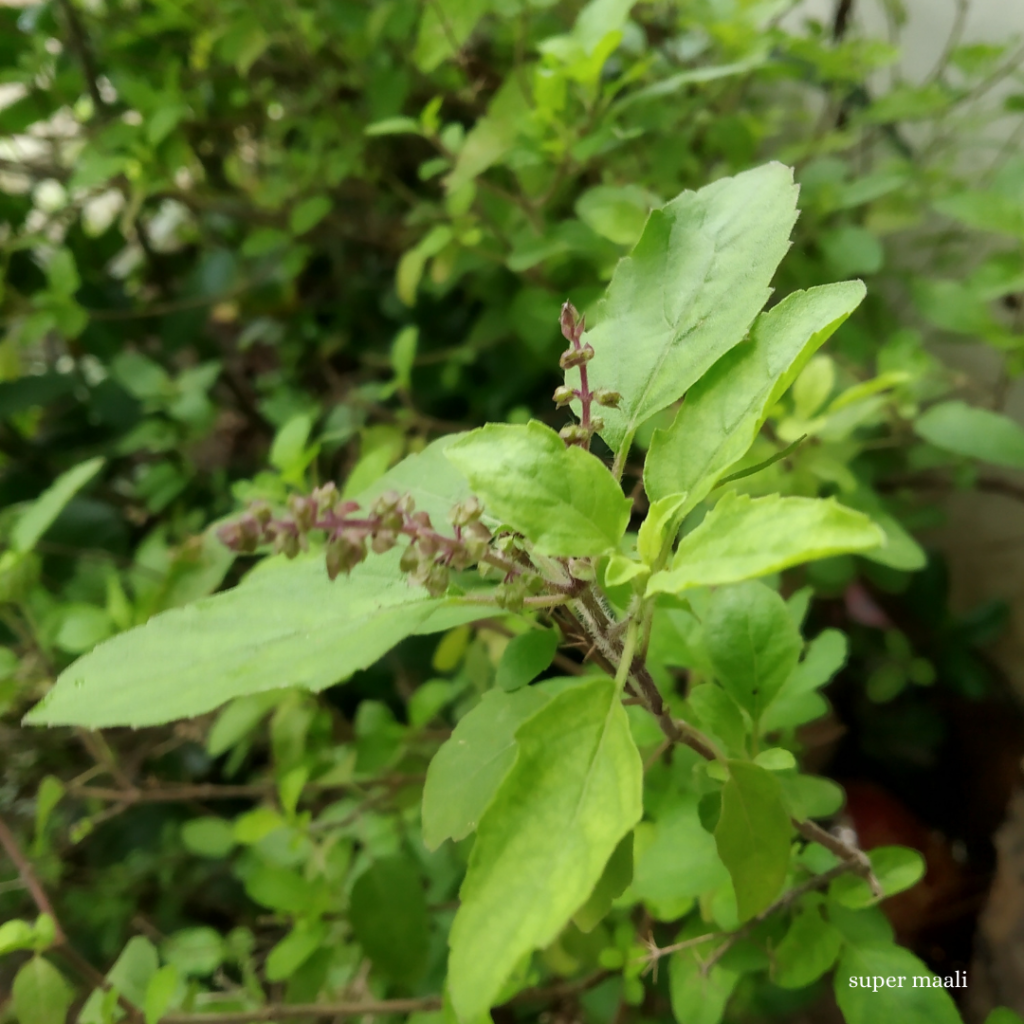
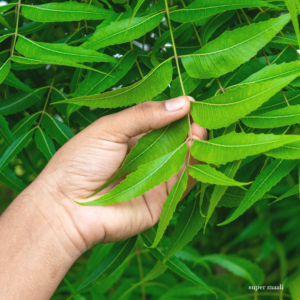
Unlike exotic plants that often require constant care, fertilizers, or chemical treatments, native plants thrive with minimal intervention. For urban gardeners who juggle work, family, and other commitments, this low-maintenance feature is a huge benefit. Plants like Tulsi (Holy Basil), Neem, and Peepal are hardy, drought-tolerant, and can flourish even in challenging urban environments.
2. Water Conservation
Water scarcity is a pressing issue in Indian cities. Native plants are naturally adapted to the local rainfall and temperature patterns, meaning they require less water compared to non-native species.
For instance, Indian Lantana, Bamboo, and Curry Leaf plants can survive long dry spells without constant watering. By planting native species in your urban garden, you contribute to sustainable water management, reduce your water bills, and promote eco-friendly gardening practices.
3. Support Local Wildlife and Biodiversity
Native plants play a crucial role in supporting local ecosystems. They provide food, shelter, and breeding grounds for native birds, bees, butterflies, and other beneficial insects.
For example, Marigold (Tagetes) attracts pollinators like bees, while Ixora flowers provide nectar for butterflies. By incorporating native plants, urban gardens can become mini wildlife sanctuaries, helping to maintain biodiversity even in city spaces. This is especially important as urbanization continues to encroach on natural habitats.
4. Boosts Mental Health and Well-Being
Gardening itself is therapeutic, but planting native species offers additional benefits. Native plants have a calming effect because they are deeply connected to the natural landscape that people are familiar with.
Studies suggest that exposure to green spaces and native flora can reduce stress, anxiety, and depression. Plants like Tulsi, Aloe Vera, and Jasmine not only purify the air but also create a serene and spiritually uplifting environment. In urban settings, where stress levels are high, native plants can be a natural remedy for improving mental health.
5. Air Purification and Environmental Benefits
Urban air pollution is a growing concern, and native plants can act as natural air purifiers. Species like Neem, Ficus (Peepal), and Areca Palm are known for their air-cleaning properties. They absorb harmful pollutants, release oxygen, and improve overall air quality in urban homes and neighborhoods.
Moreover, native plants prevent soil erosion, retain moisture, and enhance the fertility of the soil, promoting healthier ecosystems even in small garden spaces or rooftop gardens.
6. Medicinal and Culinary Uses
Many native Indian plants are rich in medicinal and culinary value. This adds practicality to urban gardening.
- Tulsi: Known as the “Queen of Herbs,” Tulsi boosts immunity, reduces stress, and purifies the air.
- Amla (Indian Gooseberry): Packed with Vitamin C, it is great for immunity and can be used in jams, juices, or chutneys.
- Curry Leaf: Essential in Indian cooking, it enhances flavor and offers numerous health benefits.
- Aloe Vera: Widely used for skin care, digestion, and healing minor wounds.
By growing native plants in urban gardens, you create a sustainable source of natural remedies and fresh ingredients, reducing dependence on store-bought products.
7. Adaptability to Urban Conditions
Urban areas often face challenges like air pollution, limited sunlight, and poor soil quality. Native plants, having adapted to India’s diverse climatic zones, are better equipped to withstand these conditions.
For example, Bamboo, Henna (Mehndi), and Jamun can thrive even in less-than-ideal urban soils. Rooftop gardeners, balcony gardeners, and small-space urban planners will find native plants much easier to manage compared to delicate exotic varieties.
8. Promotes Cultural and Spiritual Connection
Many native Indian plants hold cultural, spiritual, and religious significance. Planting them in your garden allows you to preserve these traditions and reconnect with your heritage.
- Peepal Tree: Sacred in Hinduism and Buddhism, symbolizes longevity and spiritual enlightenment.
- Tulsi: Worshiped in households for centuries, symbolizes purity and health.
- Mango Tree: Considered auspicious and associated with prosperity.
Incorporating these plants into urban gardens is not just an aesthetic choice but also a cultural statement, bridging modern urban life with India’s rich botanical heritage.
9. Cost-Effective and Eco-Friendly
Native plants reduce dependency on chemical fertilizers, pesticides, and excessive water, making them more economical in the long run. Urban gardeners can save on maintenance costs while contributing positively to the environment.
Additionally, native plants help reduce carbon footprint by supporting local flora and fauna, promoting a sustainable urban ecosystem.
10. Ideal for Small Spaces
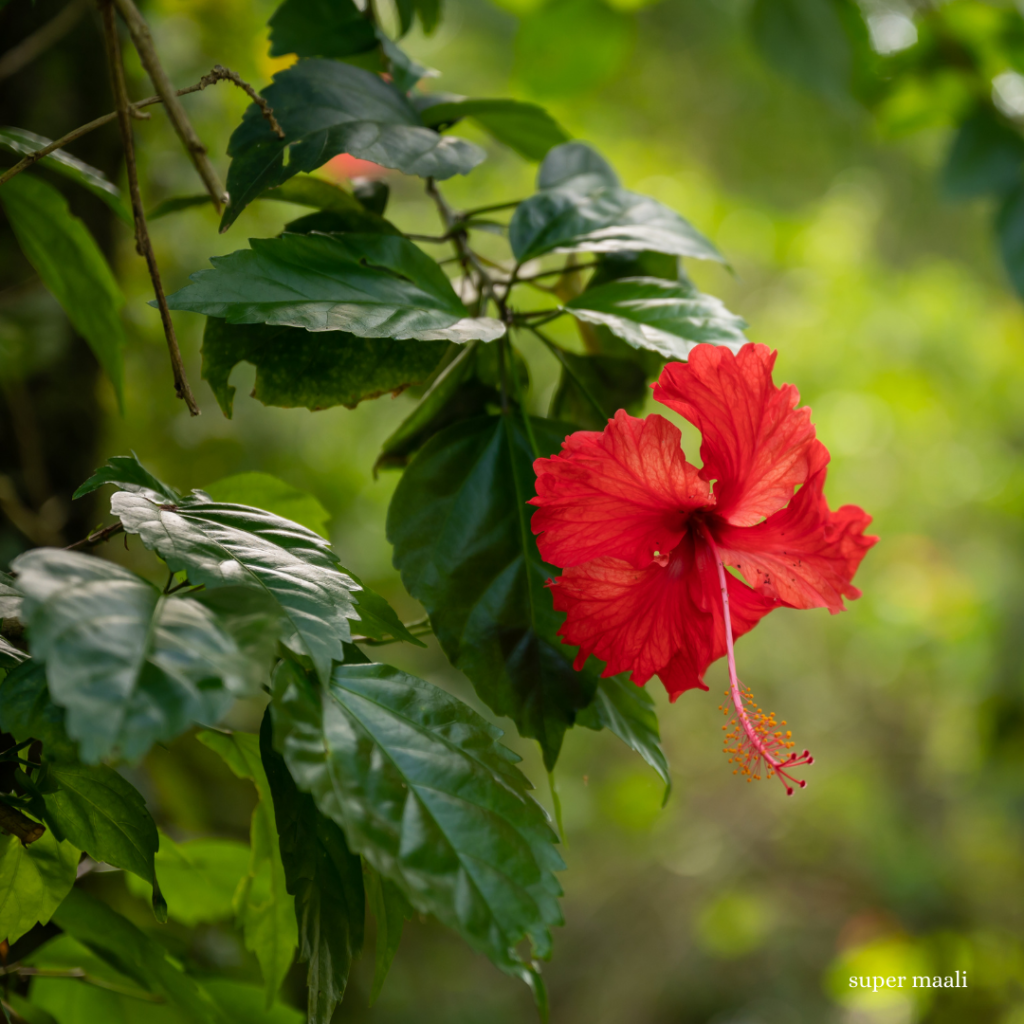
Many native Indian plants are suitable for compact urban spaces, such as balconies, terraces, and vertical gardens. Plants like Aloe Vera, Tulsi, Curry Leaf, Hibiscus, and Money Plant (Pothos) can thrive in pots, planters, or hanging baskets. This makes them perfect for apartments and urban homes where garden space is limited but greenery is desired.
Conclusion
Urban gardens are transforming city living, offering a green escape from concrete surroundings. While exotic plants may look appealing, native Indian plants offer unmatched advantages—from low maintenance, water conservation, and air purification to supporting biodiversity, mental well-being, and cultural heritage.
By incorporating the 10 Benefits of Native Indian Plants into your urban garden, you can create a thriving, eco-friendly, and culturally rich green space. Start small, plant wisely, and watch your urban garden flourish with the resilience and beauty of India’s native flora.
Enhance Your Urban Garden with Super Maali Services
Creating an urban garden that thrives on native plants is easier with professional support. By understanding the 10 Benefits of Native Indian Plants, Super Maali helps you select the right species for your space, ensuring low-maintenance, eco-friendly, and beautiful greenery.
Whether it’s a balcony garden, rooftop oasis, or small backyard, Super Maali provides:
- Expert guidance on choosing native plants that suit your climate and space.
- Quality plants and saplings delivered fresh to your home.
- Gardening solutions including soil preparation, planting tips, and maintenance advice.
With Super Maali’s services, you can fully enjoy the 10 Benefits of Native Indian Plants in your urban garden while saving time, effort, and resources. Turn your city space into a green, serene, and sustainable haven with Super Maali’s support.