
Healthy soil is the foundation of every successful garden, and winter is the perfect time to strengthen it. Winter composting tips are especially important in January, when plant growth slows down but soil life continues to work quietly beneath the surface. Many gardeners pause composting during cold months, but with the right methods, winter composting can greatly improve soil fertility and structure for the coming seasons.
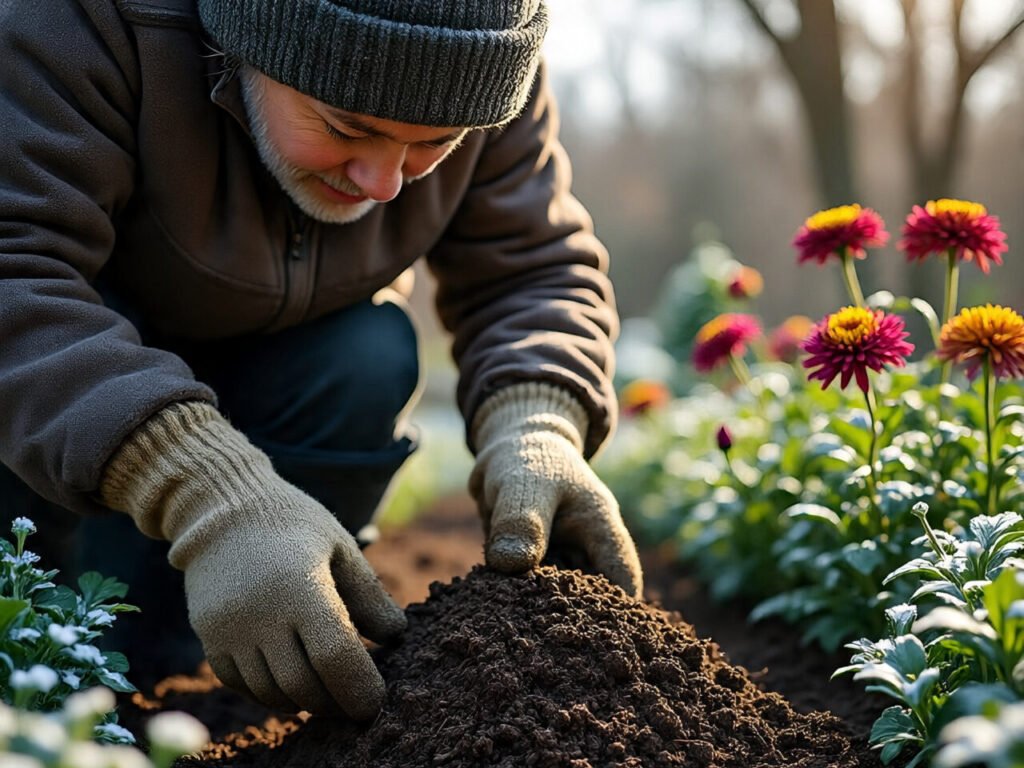
Why Soil Care Matters in January
January is a resting phase for most plants, but not for the soil. With the right Winter Composting Tips, microorganisms, earthworms, and beneficial bacteria continue to remain active, though at a slower pace. Compost added during winter provides a steady supply of nutrients, improves soil aeration, and helps retain moisture for healthier growth in the coming seasons.
Caring for soil in winter ensures:
- Better nutrient availability in spring
- Stronger root development
- Improved soil texture
- Reduced dependency on chemical fertilizers
Winter composting is not about speed; it is about quality and balance.
How Composting Works During Winter
Low temperatures slow down decomposition, but organic matter continues to break down gradually. The inner layers of compost stay warmer than the outer surface, allowing microbial activity to continue.
In the Indian climate, January temperatures are generally mild compared to extreme winters elsewhere, making composting more practical. With basic protection and moisture control, compost remains active throughout the season.
Best Materials to Add in January
Green (Nitrogen-Rich) Waste
- Vegetable and fruit peels
- Tea leaves and coffee grounds
- Fresh garden weeds (without seeds)
- Cow dung or composted manure
These materials support microbial growth and help maintain warmth inside the compost.
Brown (Carbon-Rich) Waste
- Dry leaves
- Straw or hay
- Shredded newspaper
- Cardboard pieces
Carbon-rich materials improve structure and prevent excess moisture.
Balanced compost = healthy soil
Winter Composting Tips: Best Methods to Keep Compost Active
Winter Composting Tips help gardeners keep compost active even during cold months by focusing on insulation, moisture balance, and proper material selection. Using kitchen waste in small pieces, layering it with dry leaves, and covering the compost pile helps retain warmth and supports microbial activity, ensuring steady decomposition throughout winter.
Kitchen Waste Composting
Kitchen waste is the most convenient option during winter. Chopping waste into smaller pieces helps faster breakdown. Always mix wet waste with dry material to avoid smell and pests.
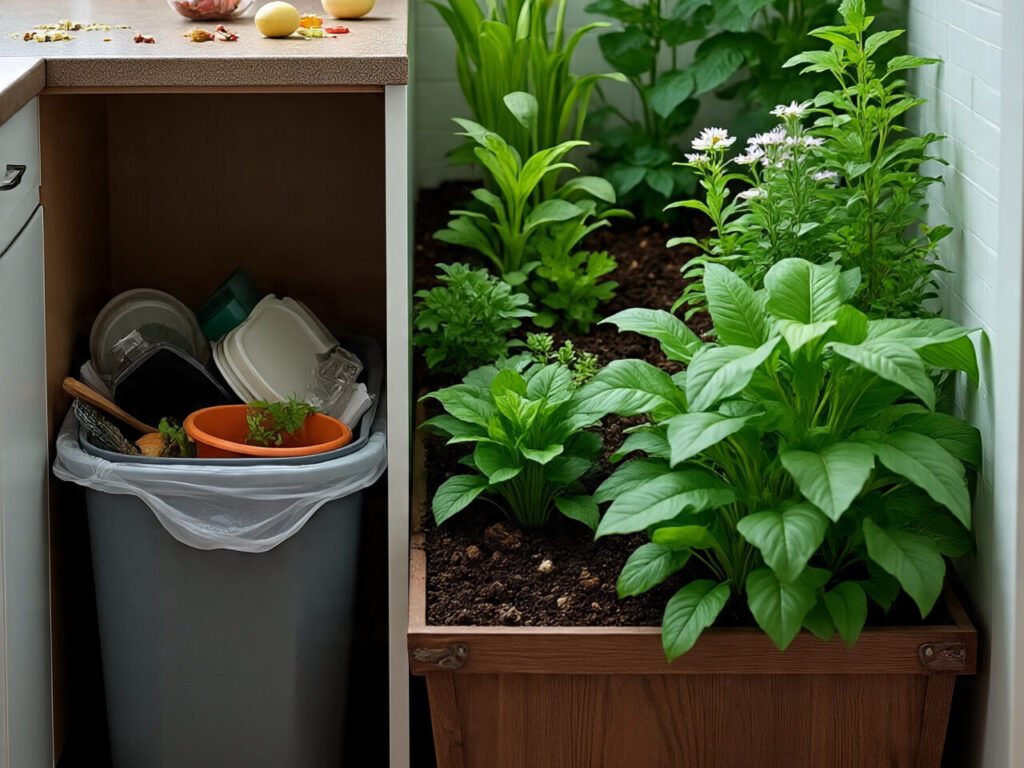
Kitchen waste composting is one of the easiest and most effective methods for winter soil care. To understand this process in detail, you can refer to our blog Kitchen Waste to Plant Food: A Complete Guide to Greener Gardening.
Vermicomposting Care
Earthworms are sensitive to cold. Keep vermicompost bins in a shaded but warm area, such as a balcony corner or storeroom. Avoid excess watering and protect bins from direct cold winds.
Outdoor Compost Pits
If you have a garden, compost pits work well in winter. Cover the pit with dry leaves, soil, or jute sacks to retain heat and moisture.
Maintaining Moisture Levels
Winter air can dry out compost faster than expected. Compost should feel moist, similar to a squeezed sponge.
Best practices:
- Sprinkle water lightly when dry
- Avoid overwatering
- Cover compost to reduce evaporation
Excess moisture can lead to fungal growth and nutrient loss.
Turning Compost in Cold Weather
Turning compost improves oxygen flow but should be done less frequently in winter. Once every two to three weeks is enough. Over-turning releases trapped heat and slows the decomposition process.
If the compost pile is very cold, minimal disturbance is better.
Using Compost for Soil Care in January
Mulching Around Plants
Spread compost around the base of plants. This protects roots from cold, conserves moisture, and supplies nutrients gradually.
Preparing Empty Beds
Mix compost lightly into unused garden beds. This improves soil texture and prepares it for spring sowing.
Potted Plants
Add a thin layer of compost on top of pots instead of deep mixing. This prevents root disturbance during winter dormancy.
Common Mistakes to Avoid
- Stopping composting completely
- Adding oily or cooked food waste
- Leaving compost uncovered
- Overwatering during cold days
- Ignoring balance between dry and wet waste
Avoiding these mistakes ensures compost remains healthy and odor-free.
Natural Boosters for Better Compost
To maintain microbial activity in winter, you can add:
- Cow dung slurry (diluted)
- Old compost as a starter
- Jeevamrit or bio-enzymes
- Diluted buttermilk (occasionally)
These boosters enhance decomposition without harming soil health.
Long-Term Benefits of Winter Composting
Composting in January helps gardeners:
- Improve soil fertility naturally
- Increase water retention capacity
- Support beneficial soil organisms
- Reduce household organic waste
- Promote sustainable gardening
Soil enriched during winter shows visible improvement once temperatures rise.
Conclusion
Winter should never be a pause button for soil care. By following the right Winter Composting Tips, composting during January builds a strong foundation for future plant growth and healthier gardens. With patience, balance, and regular observation, winter composting becomes an easy and rewarding habit.
At Super Maali, we believe that caring for soil is the first step toward greener urban spaces. Start nurturing your compost this winter, and your garden will reward you all year long 🌱