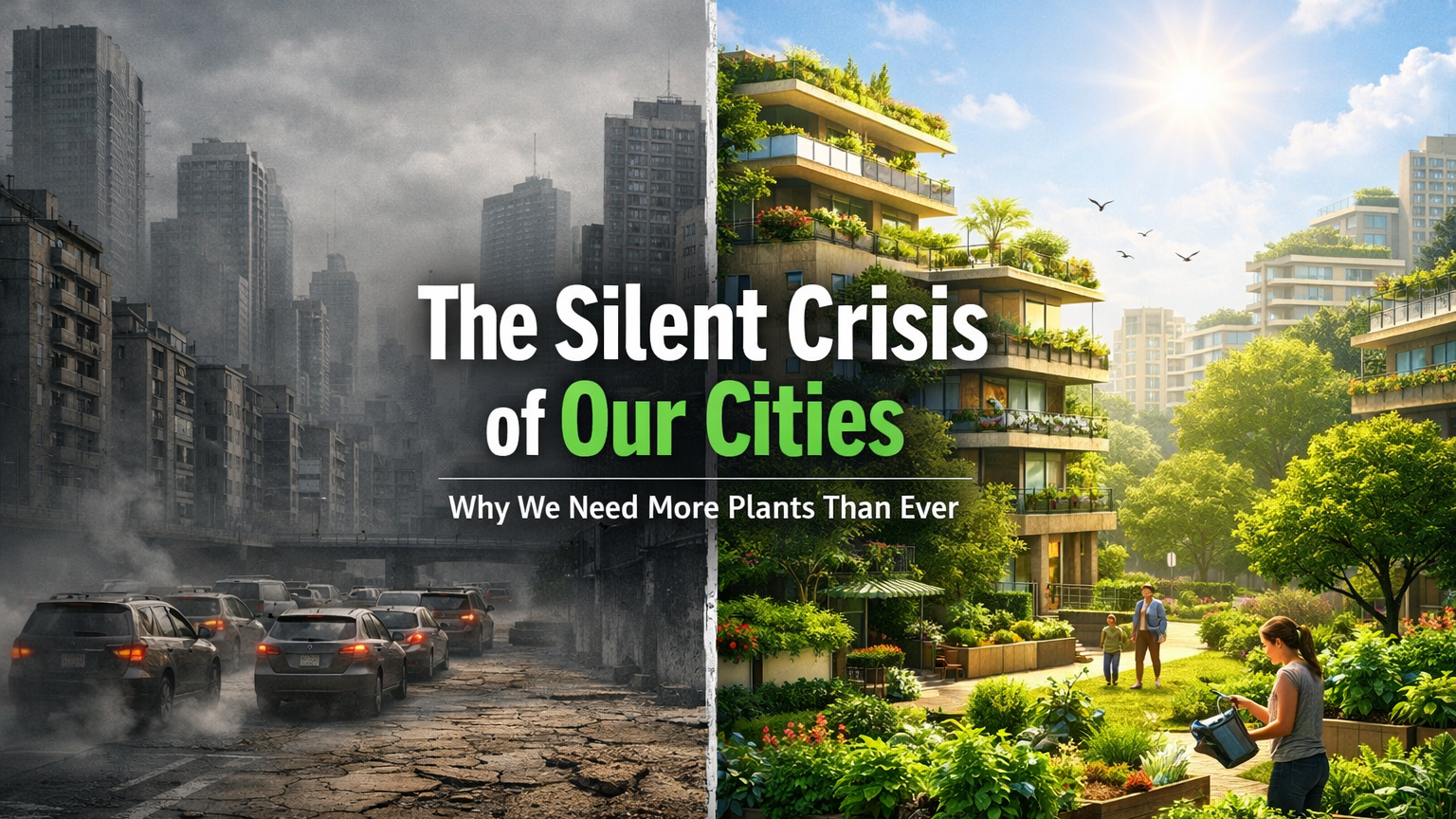
Modern cities are symbols of progress. Tall buildings, expanding roads, new infrastructure, and growing populations represent development and opportunity. Yet, behind this growth lies a silent crisis—one that is slowly affecting our health, environment, and quality of life.
Our cities are turning into concrete landscapes where green spaces are shrinking every year. This is where urban gardening is becoming more important than ever.
While development is essential, the disappearance of plants and trees from urban environments is creating serious challenges—air pollution, rising temperatures, declining biodiversity, and increased stress among city residents.
The Disappearing Green Cover
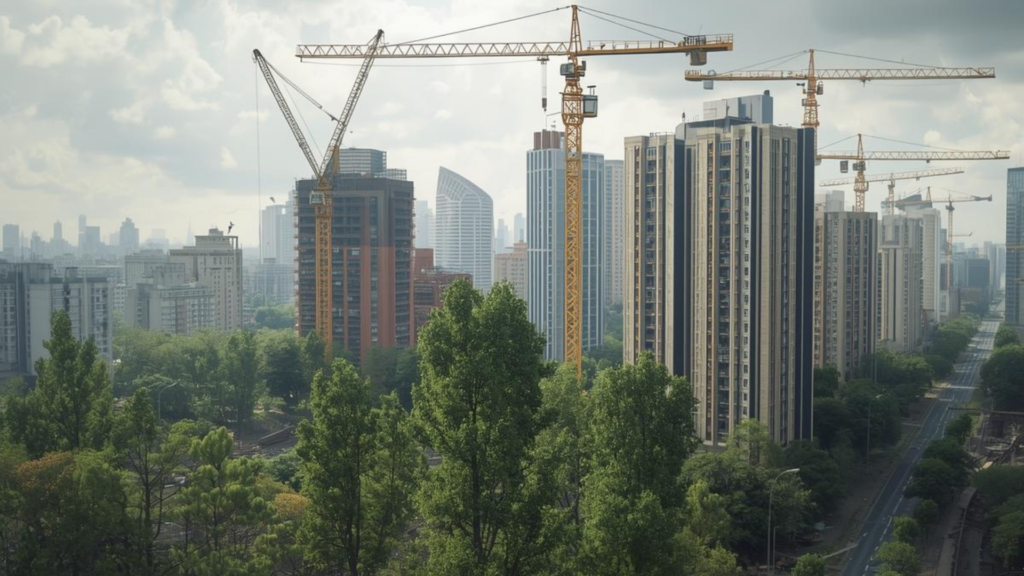
Urban expansion often comes at the cost of nature. Trees are cut down to make space for roads, buildings, and commercial complexes. Parks are reduced, and open green areas are replaced by concrete structures.
As a result, many cities are losing the natural systems that once kept them balanced.
Plants are not just decorative elements. They play a vital role in maintaining ecological stability. They absorb carbon dioxide, release oxygen, regulate temperature, and support biodiversity.
Without them, cities become hotter, more polluted, and less livable. This is why urban gardening is increasingly being recognized as an important solution for sustainable cities.
The Urban Heat Problem
One of the most visible effects of reduced greenery is the urban heat island effect, a concept widely studied in the field of Urban Ecology.
Concrete, asphalt, and metal surfaces absorb and retain heat during the day and release it slowly at night. Without trees and vegetation to cool the surroundings, cities become significantly warmer than nearby rural areas.
Plants help counter this by providing shade and cooling the air through transpiration, a natural process linked to Photosynthesis and plant respiration.
Simply put, plants act as natural air conditioners for our cities. Encouraging urban gardening in homes, apartments, and communities can help reduce this growing problem.
The Hidden Health Benefits of Plants
The importance of plants goes beyond environmental balance. Green spaces also have a direct impact on human well-being.
Studies have shown that access to greenery can:
- Reduce stress and anxiety
- Improve concentration and productivity
- Encourage physical activity
- Improve air quality
- Strengthen community interactions
In a fast-paced urban lifestyle filled with screens, traffic, and noise, plants provide a much-needed connection to nature.
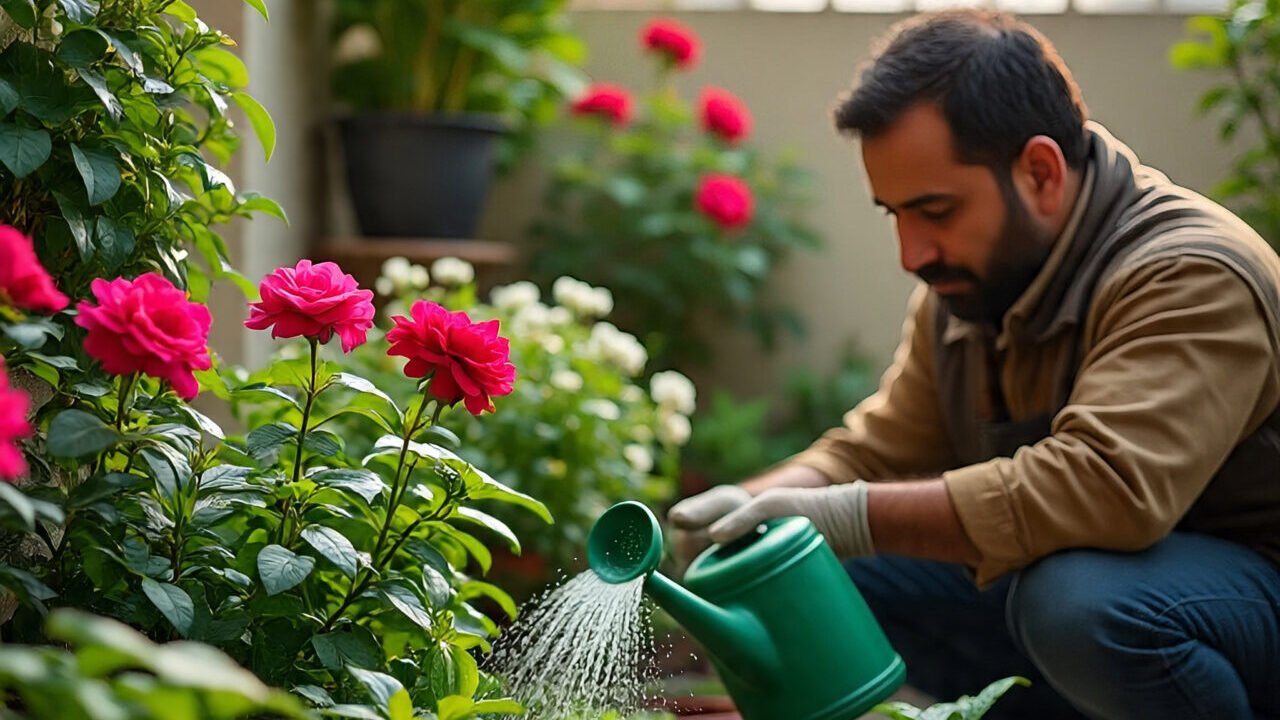
Even small actions—like growing plants on balconies, terraces, or in small community gardens—can contribute to healthier living environments. This growing trend is one of the reasons why urban gardening is gaining popularity in cities across the world.
The Power of Urban Gardening
Today, urban gardening is no longer just a hobby. It is becoming an important movement in sustainable city living.
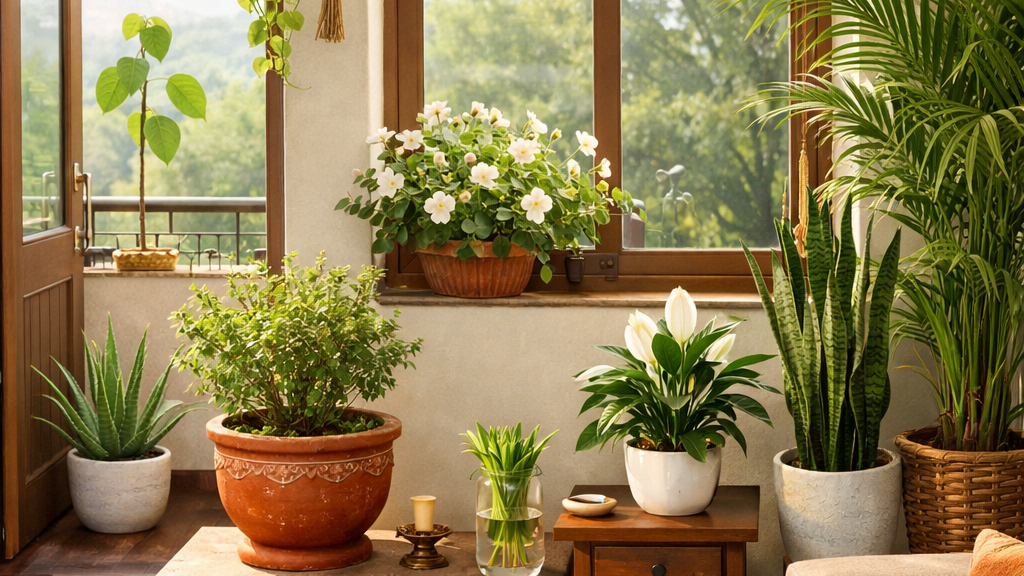
Balcony gardens, terrace gardens, vertical gardens, and indoor plants are helping people bring nature back into urban spaces. These small efforts collectively create meaningful change.
Every plant grown in a city contributes to:
- Cleaner air
- Lower temperatures
- Increased biodiversity
- Better mental health
When thousands of individuals adopt urban gardening, cities can slowly transform into greener and more sustainable environments.
A Shared Responsibility
The responsibility of greening our cities does not belong only to governments or urban planners. It belongs to all of us.
Planting a tree, maintaining a small garden, or even nurturing a single plant at home can be the beginning of a larger transformation.
Cities do not become green overnight—but they become greener when citizens participate.
A Greener Vision for the Future
The future of sustainable cities lies in balancing development with nature. As our urban areas continue to grow, integrating plants and green spaces must become a priority.
Greener cities are not only more beautiful—they are healthier, cooler, and more resilient.
Sometimes, the most powerful solutions are also the simplest.
And in the case of our cities, the solution may start with urban gardening—one plant at a time.
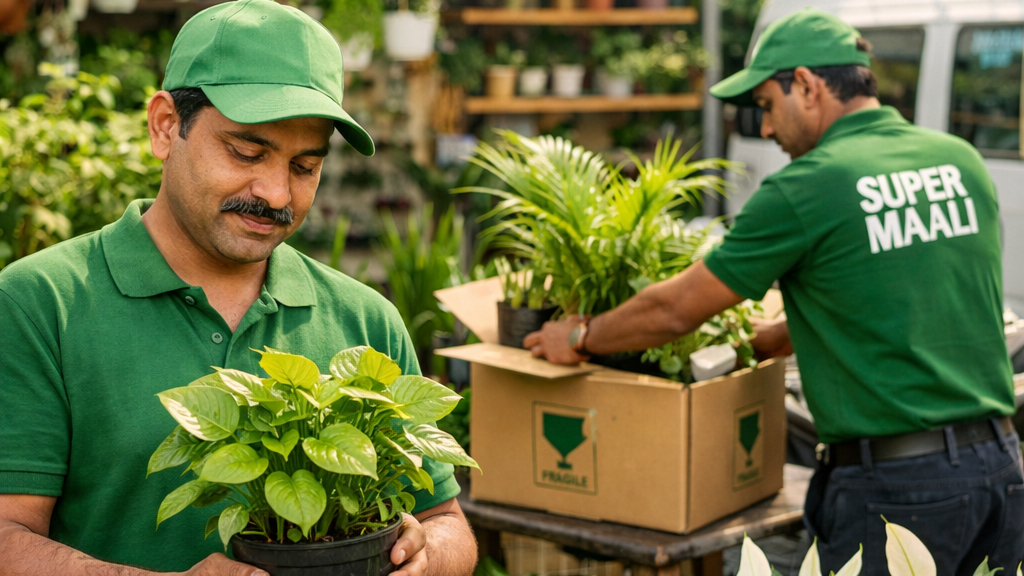
🌿 At Super Maali, we believe that greening urban spaces is not just an idea—it is a responsibility. Every plant matters, and every small effort contributes to a healthier planet.