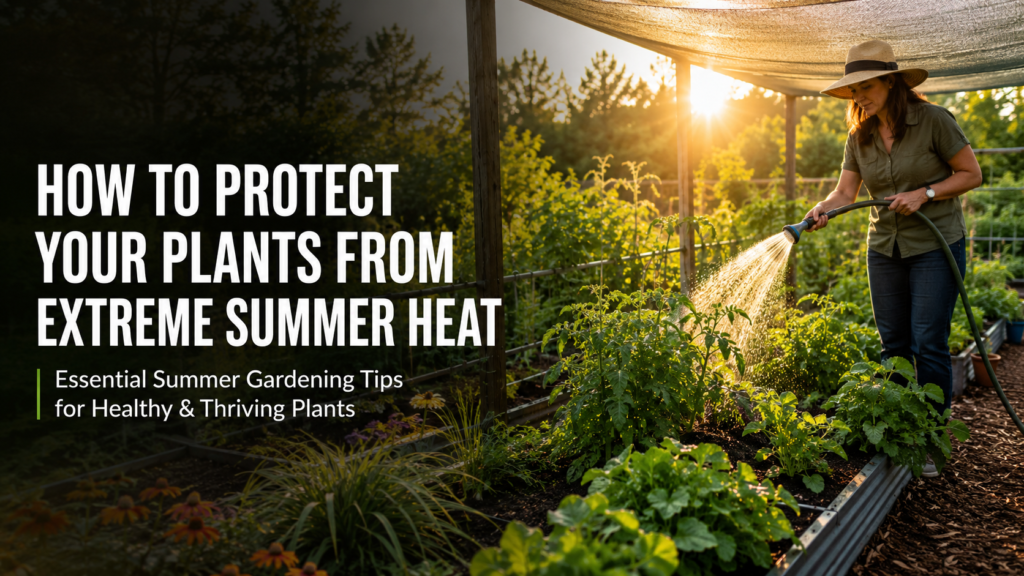
Summer brings longer days and abundant sunshine, helping plants grow vigorously. However, when temperatures rise excessively, intense heat can become a serious threat to your garden. Wilting leaves, scorched foliage, dried soil, and reduced flowering are common signs that plants are struggling to cope with harsh weather conditions. Knowing how to Protect Your Plants from Extreme Summer Heat can help ensure that your garden remains healthy, productive, and beautiful throughout the season.
In this blog, we will explore practical and effective ways to safeguard your plants during periods of extreme heat.
Why Extreme Summer Heat Affects Plants
Plants require sunlight for photosynthesis, but excessive heat can disrupt their normal growth processes. High temperatures increase water loss through transpiration, causing plants to dry out quickly. When the soil loses moisture rapidly, roots are unable to absorb sufficient water, leading to stress.
Some common effects of extreme heat include:
- Wilting leaves
- Leaf scorching or browning
- Flower and fruit drop
- Reduced growth
- Dry and cracked soil
- Increased vulnerability to pests and diseases
Understanding these challenges is the first step to learning how to Protect Your Plants from Extreme Summer Heat effectively.
1. Water Your Plants Wisely
Proper watering is one of the most important ways to help plants survive summer.
Best Time to Water
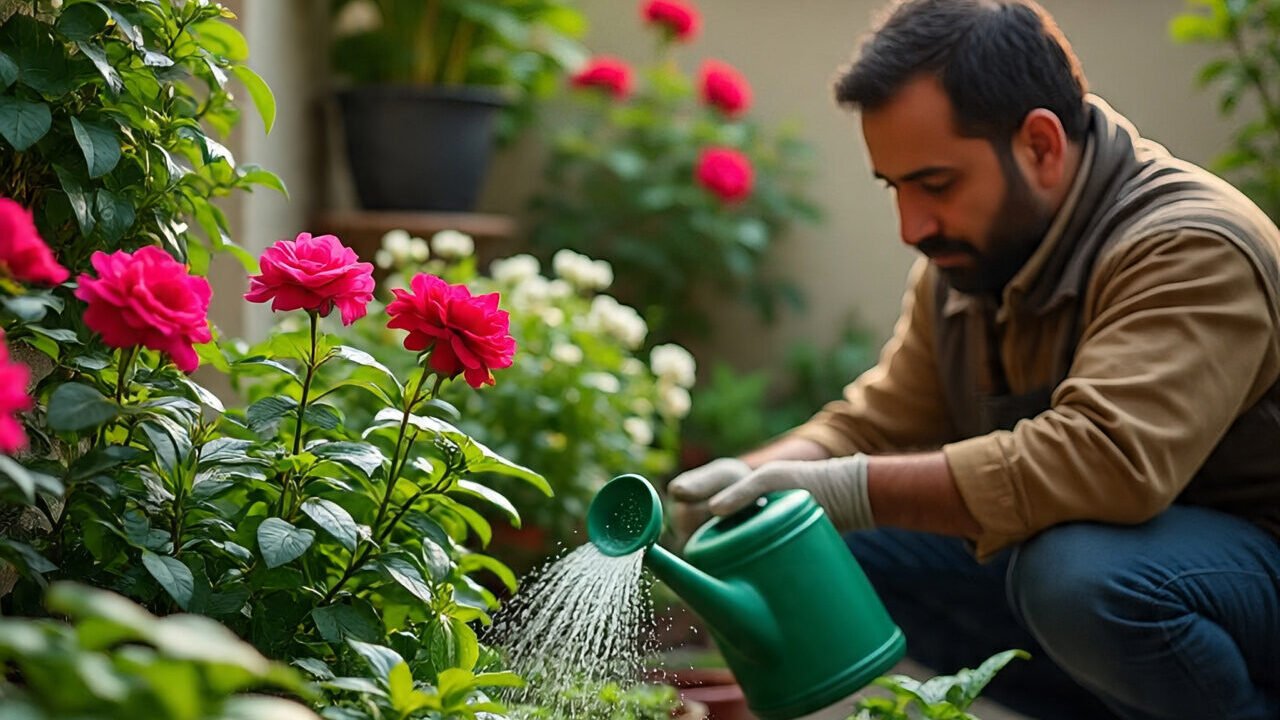
Water plants early in the morning, preferably before 8 a.m. During this time, temperatures are cooler, allowing water to penetrate deep into the soil before evaporation occurs.
Avoid watering during the hottest part of the day, as much of the moisture will evaporate before reaching the roots.
Deep Watering Matters
Rather than watering lightly every day, water deeply two to three times a week. Deep watering encourages roots to grow deeper into the soil, making plants more resilient during heat waves.
Container plants may require more frequent watering since pots dry out faster than garden beds.
2. Apply Mulch Around Plants
Mulching is a simple yet highly effective gardening practice.
A layer of mulch helps:
- Retain soil moisture
- Reduce evaporation
- Keep roots cooler
- Prevent weed growth
- Improve soil health over time
Organic mulches such as dry leaves, straw, wood chips, coconut husk, and compost work particularly well.
Spread a 2–3 inch layer of mulch around plants while leaving a small gap around the stem to prevent rot.
Mulching is one of the easiest ways to Protect Your Plants from Extreme Summer Heat while reducing water requirements.
3. Provide Shade During Peak Hours
Many plants struggle under direct afternoon sunlight.
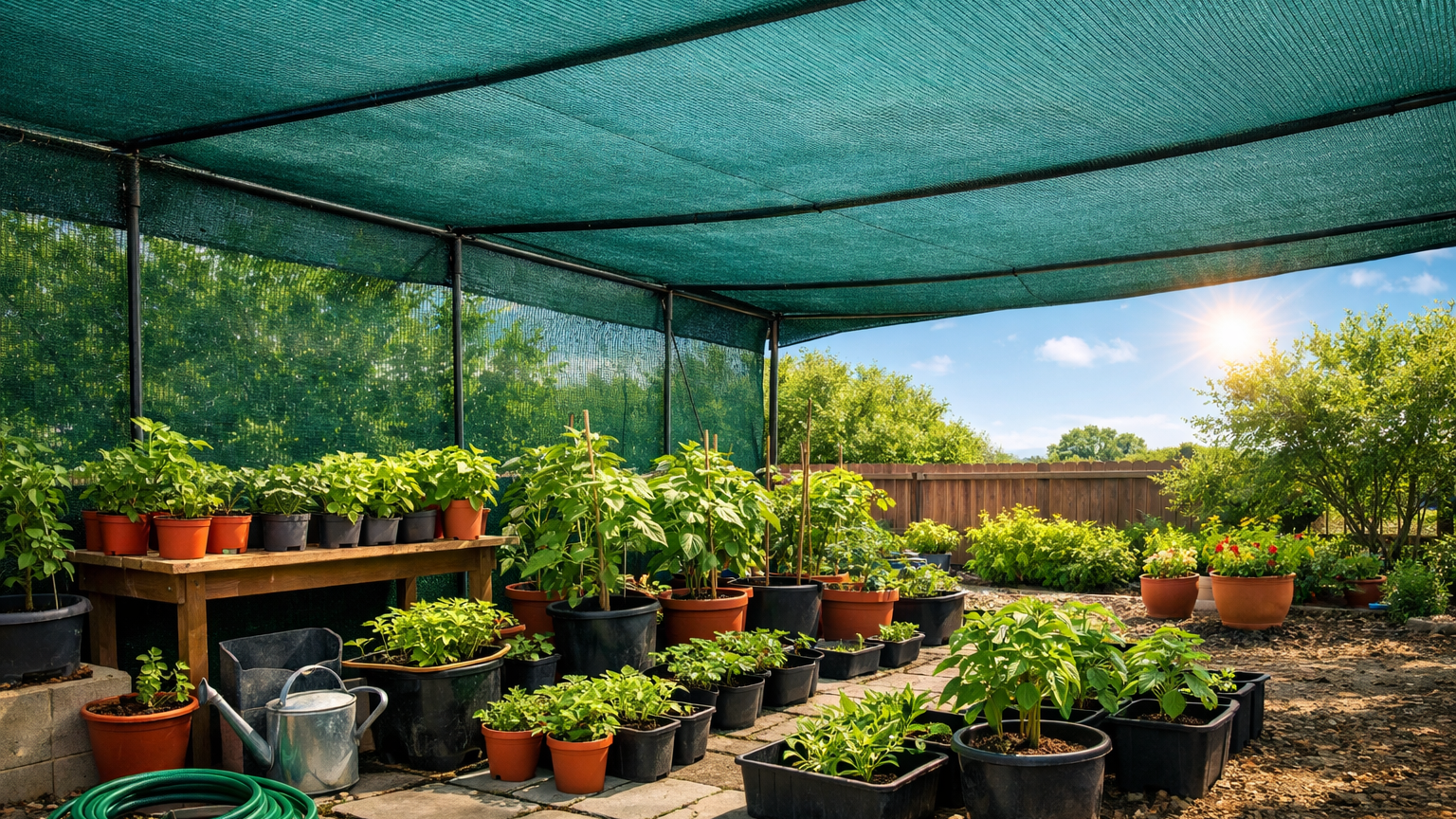
Temporary shade structures can significantly reduce heat stress.
Shade Options Include:
- Shade nets
- Garden umbrellas
- Bamboo screens
- Old bedsheets or cloth covers
- Agro shade fabric
Focus on protecting young plants, seedlings, leafy vegetables, and delicate flowering plants.
Providing shade during the hottest hours of the day can lower leaf temperatures and prevent sunburn.
4. Improve Soil Health
Healthy soil acts like a sponge, retaining moisture and supporting strong root systems.
To improve soil quality:
- Add compost regularly
- Use vermicompost
- Incorporate organic matter
- Avoid excessive chemical fertilizers
Rich organic soil holds water longer and provides essential nutrients that help plants withstand stressful conditions.
Well-nourished plants are naturally better equipped to Protect Your Plants from Extreme Summer Heat and recover from temporary stress.
5. Avoid Excessive Pruning
Many gardeners prune plants heavily to maintain shape, but summer is not the ideal time for major pruning.
Leaves play an important role by:
- Providing shade to stems
- Reducing soil temperature
- Supporting photosynthesis
Removing too many leaves exposes plants directly to sunlight, increasing the risk of scorching.
Instead, only remove dead, diseased, or damaged branches during extreme heat periods.
6. Choose Heat-Tolerant Plants
Selecting plants suited to your local climate can make gardening easier during summer.
Some heat-tolerant options include:
Flowering Plants
- Portulaca
- Vinca
- Bougainvillea
- Marigold
- Zinnia
Herbs
- Tulsi
- Rosemary
- Lemongrass
- Mint
Vegetables
- Okra
- Brinjal
- Chilli
- Cowpea
These plants naturally perform better under high temperatures and require less intervention.
7. Protect Container Plants
Potted plants often suffer more during summer because containers heat up quickly.
Helpful Tips:
- Move pots to semi-shaded areas.
- Group pots together to create a humid microclimate.
- Use larger containers that retain moisture longer.
- Choose light-colored pots that absorb less heat.
- Place trays beneath pots to reduce water loss.
Special attention to container gardening can significantly help Protect Your Plants from Extreme Summer Heat throughout the season.
8. Increase Humidity Around Plants
Low humidity combined with high temperatures can accelerate moisture loss.
You can increase humidity by:
- Misting plants in the early morning
- Grouping plants together
- Placing water-filled trays nearby
- Creating small water features in the garden
Avoid excessive evening misting, as it may encourage fungal diseases.
Moderate humidity helps plants remain hydrated and reduces stress caused by intense sunlight.
9. Avoid Fertilizing During Heat Waves
Fertilizers stimulate new growth, which requires additional water and energy.
Applying strong fertilizers during extreme heat can:
- Burn roots
- Increase plant stress
- Cause nutrient imbalance
Wait until temperatures moderate before applying heavy doses of fertilizer.
If necessary, use diluted organic liquid fertilizers or compost tea in small amounts.
10. Monitor Plants Regularly
Early detection of stress can prevent permanent damage.
Watch for:
- Drooping leaves
- Yellowing foliage
- Brown leaf edges
- Stunted growth
- Pest infestations
Taking quick action can save plants before heat damage becomes severe.
Daily inspection is particularly important during prolonged heat waves.
Signs Your Plants Need Immediate Attention
If you notice the following symptoms, your plants may be experiencing severe heat stress:
- Persistent wilting even after watering
- Crispy brown leaves
- Premature flower drop
- Dry soil several inches below the surface
- Sunken or shriveled stems
When these signs appear, provide shade, water deeply, and avoid any additional stress such as pruning or fertilizing.
Conclusion
Extreme summer temperatures can be challenging for gardeners, but with the right care, plants can continue to thrive even during intense heat waves. Proper watering, mulching, shading, soil improvement, and regular monitoring are key strategies that help maintain plant health throughout the season.
By following these practical gardening practices, you can successfully Protect Your Plants from Extreme Summer Heat and enjoy a lush, vibrant garden all summer long. Whether you grow vegetables, flowers, herbs, or ornamental plants, proactive care will make a significant difference in helping them withstand rising temperatures.
Remember, prevention is always better than cure when it comes to summer gardening. Start implementing these tips today and give your plants the protection they need to flourish despite the heat.

🌿 Need Expert Help with Your Garden?
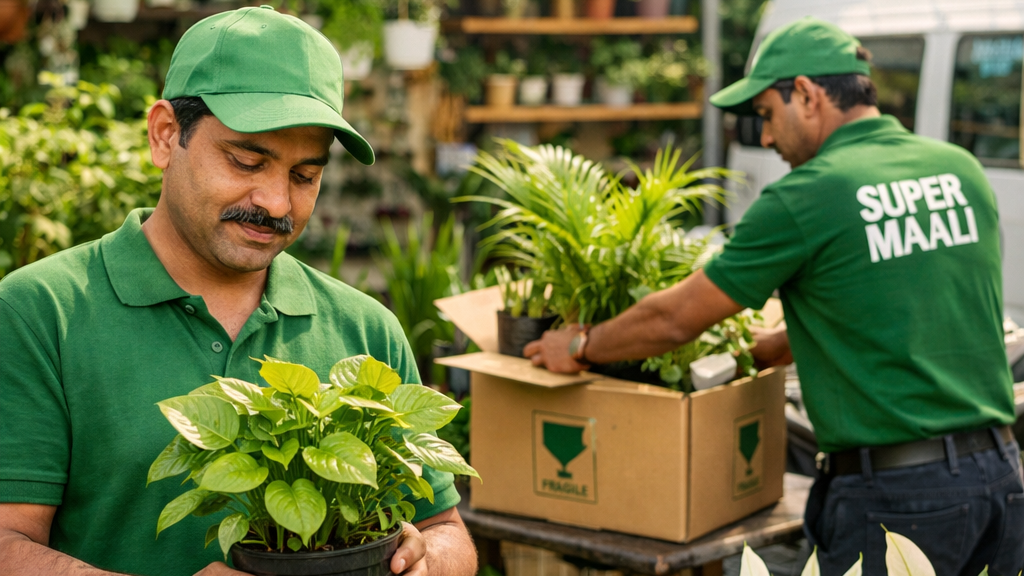
Keeping plants healthy during extreme summer heat can be challenging, especially in urban spaces. At Super Maali, we help you create and maintain beautiful, thriving gardens throughout the year.
Our Services
✅ Terrace Gardening
✅ Balcony Garden Setup
✅ Kitchen Garden Development
✅ Plant Care & Maintenance
✅ Organic Gardening Solutions
✅ Vermicompost & Soil Enrichment
✅ Landscaping Consultation
Whether you’re a beginner or an experienced gardener, our team can help you build a greener and healthier space.
Explore More
🏡 Home Page: https://supermaali.com/
📞 Contact Us: https://supermaali.com/contact-us
Let’s Grow Together!
Transform your home into a green oasis with Super Maali’s expert gardening solutions. Get in touch today and take the first step towards a healthier, greener lifestyle.
Super Maali – Greening Urban Spaces. 🌿💚