Every day, households generate heaps of kitchen waste—vegetable peels, fruit scraps, coffee grounds, eggshells, and more. Most of it ends up in the trash, contributing to overflowing landfills and methane emissions. But here’s the secret: this so-called “trash” is actually treasure.
By transforming kitchen waste to plant food, you create nutrient-rich compost and natural fertilizers that help your garden thrive while reducing your environmental footprint.
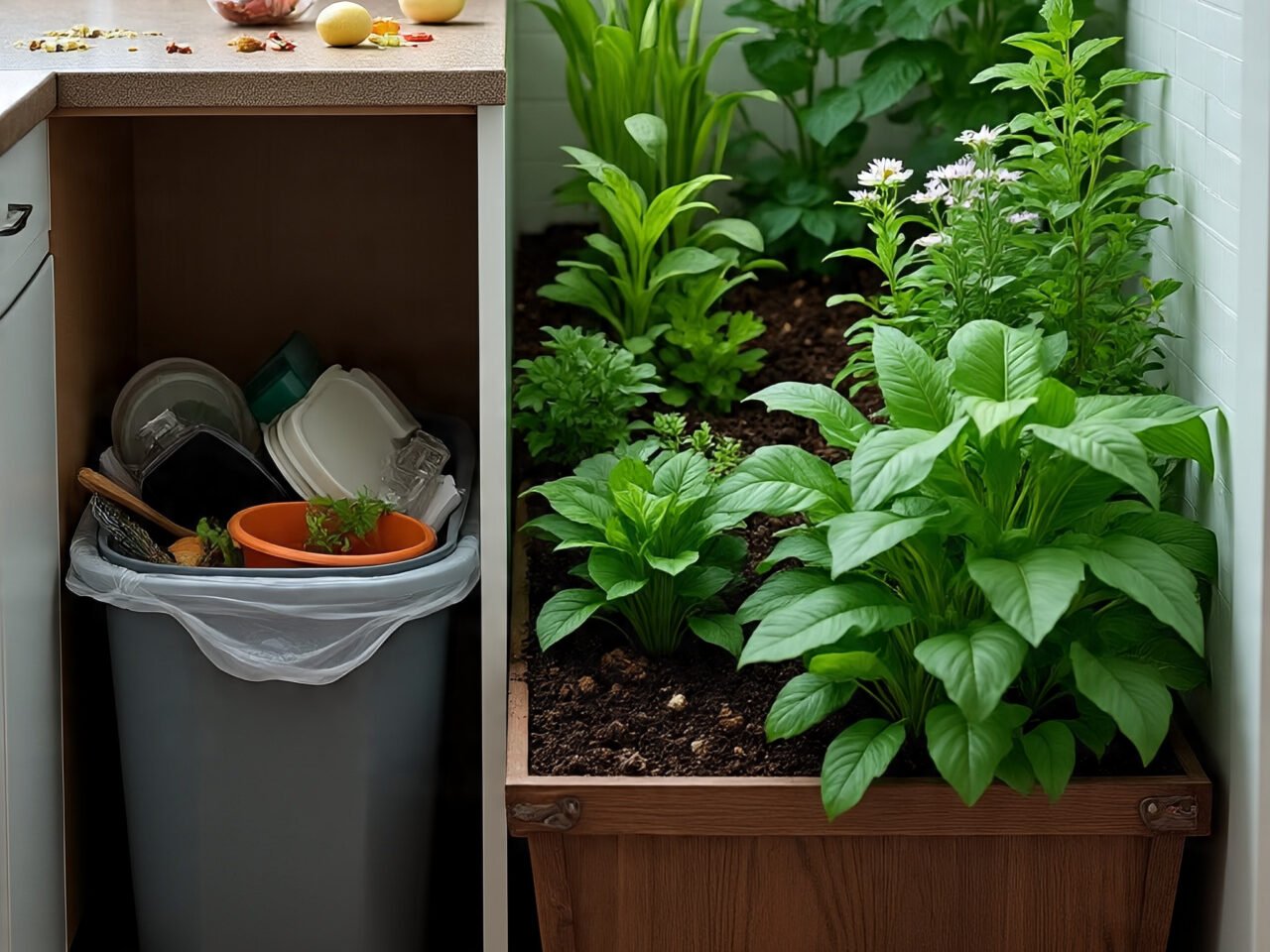
🍌 Why Kitchen Waste to Plant Food Makes Great Plant Food
Kitchen waste is packed with nutrients that plants thrive on. By turning kitchen waste to plant food, you recycle everyday scraps into powerful natural fertilizers:
- Fruit and vegetable peels → rich in potassium, phosphorus, and calcium.
- Coffee grounds → a natural nitrogen booster.
- Eggshells → loaded with calcium carbonate, strengthening plant cell walls.
- Tea leaves → add organic matter and improve soil texture.
- Stale bread or rice → can be composted to enrich soil microbes.
Instead of throwing these away, you can recycle them back into the soil, closing the loop of nature’s cycle.
🌍 Benefits of Recycling Kitchen Waste to Plant Food
- Reduces landfill waste: Less trash means fewer greenhouse gases.
- Cuts fertilizer costs: Homemade compost is free and effective.
- Improves soil health: Adds organic matter, boosting microbial activity.
- Supports sustainability: Encourages eco-conscious living.
- Empowers gardeners: You gain control over what goes into your soil.
🥕 Easy Ways to Turn Kitchen Waste to Plant Food
1. Composting
The most popular method. Collect vegetable peels, fruit scraps, coffee grounds, and eggshells in a compost bin. Layer them with dry materials like leaves or shredded paper. Over weeks, microbes break down the waste into dark, crumbly compost.
Tips:
- Avoid meat, dairy, and oily foods (they attract pests).
- Keep the pile moist but not soggy.
- Turn it regularly for aeration.
2. Direct Application
Some scraps can go straight into the soil:
- Banana peels → bury near rose bushes for potassium.
- Crushed eggshells → sprinkle around tomato plants to prevent blossom-end rot.
- Coffee grounds → spread lightly to enrich nitrogen.
3. Liquid Fertilizers (Compost Tea)
Steep kitchen waste in water to create nutrient-rich “tea.”
- Soak banana peels or vegetable scraps in water for 2–3 days.
- Strain and use the liquid to water plants.
This method delivers quick nutrition directly to roots.
4. Vermicomposting (Worm Farming)
Red wigglers love kitchen scraps. They eat waste and produce “worm castings,” a powerful organic fertilizer. Vermicomposting is compact, odor-free, and perfect for urban homes.
5. Fermentation (Bokashi Method)
Bokashi uses beneficial microbes to ferment kitchen waste in airtight containers. After two weeks, the fermented waste can be buried in soil, enriching it rapidly.
🌿 Creative DIY Plant Food Recipes
- Banana Peel Powder: Dry peels in the sun, grind into powder, and sprinkle around plants.
- Eggshell Tea: Boil crushed shells in water, cool, and use as a calcium-rich spray.
- Vegetable Broth Fertilizer: Save cooking water from boiled veggies—once cooled, pour it on plants.
- Coffee Ground Mix: Blend coffee grounds with water for a nitrogen boost.
🏡 Practical Tips for Success
- Keep a small scrap container in your kitchen for easy collection.
- Balance “greens” (wet scraps) with “browns” (dry leaves, paper) in compost.
- Chop scraps into smaller pieces for faster breakdown.
- Use airtight jars for liquid fertilizers to avoid odor.
- Always test small amounts first to see how plants respond.
🌸 Real-Life Impact
Imagine this: A family of four generates nearly 2 kg of kitchen waste daily. If composted, that’s over 700 kg of nutrient-rich soil amendment per year. Instead of burdening landfills, this waste nourishes gardens, balconies, and community green spaces.
🌿 Super Maali: Your Garden’s True Companion
If you’re starting the habit of turning kitchen waste into plant food, Super Maali is the perfect guide for you. It’s not just a name—it’s a philosophy: every home has a gardener within, someone who connects with nature and creates big change through small steps.
- Source of Knowledge: Super Maali helps you understand which kitchen waste works best for plants.
- Daily Inspiration: It reminds you that every peel, every coffee ground, every eggshell is treasure for your garden.
- Sustainable Lifestyle: The mission of Super Maali is to encourage families to recycle kitchen waste into plant food and lighten the burden on Earth.
🌸 Super Maali says:
“Don’t see it as trash—see it as a blessing for your plants. Every home’s waste can become every plant’s strength.”
Conclusion
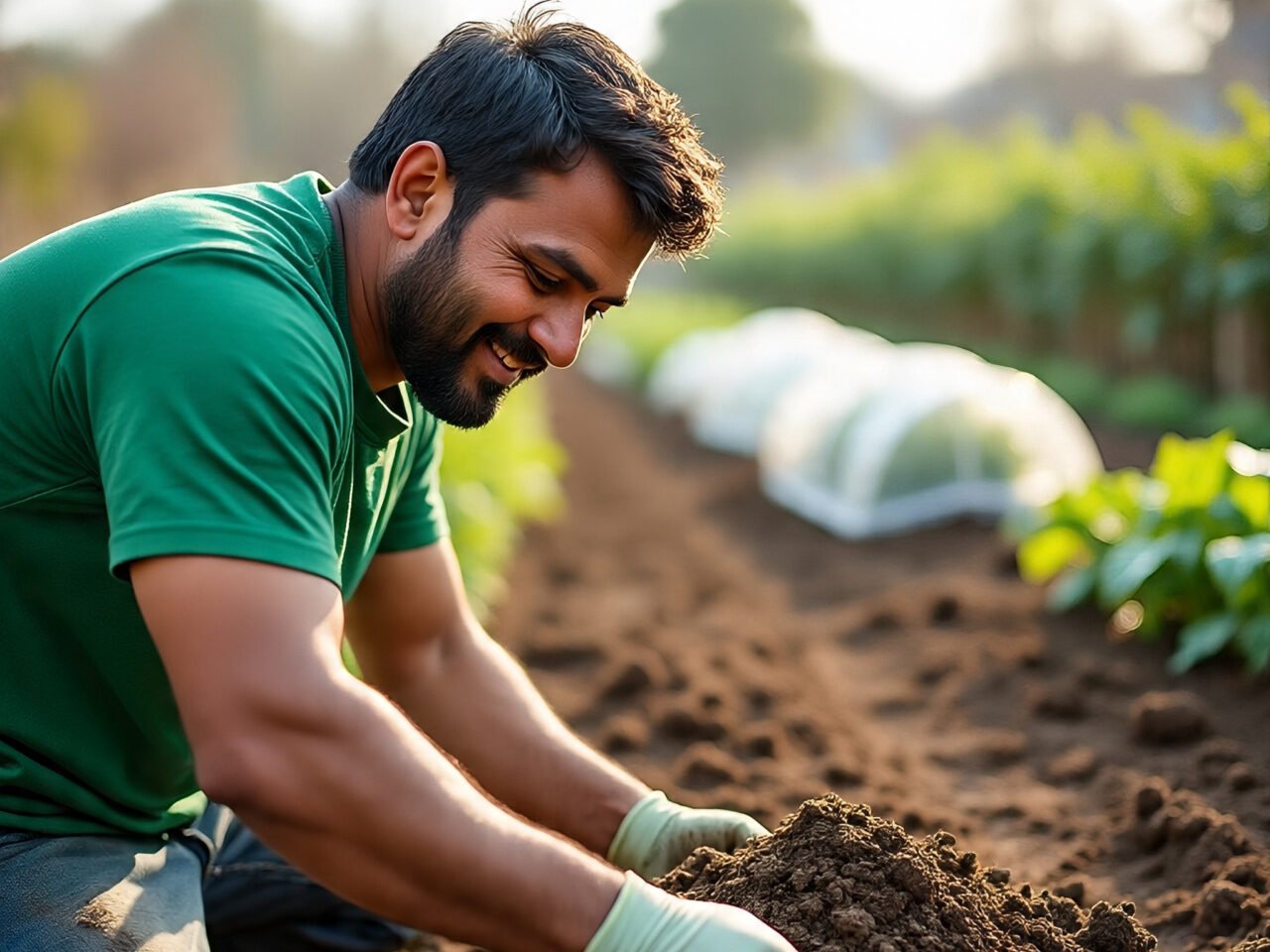
Your kitchen trash isn’t trash at all—it’s plant food waiting to be unlocked. By composting, fermenting, or simply reusing scraps, you not only feed your plants but also contribute to a healthier planet. Small steps in your kitchen can lead to big changes in your garden and beyond.
So next time you peel a banana or brew coffee, think twice before tossing the leftovers. Super Maali reminds you: your plants will thank you, and the Earth will too. 🌍💚