
The holy month of Sawan (Shravan) is one of the most spiritually significant periods in the Hindu calendar. Dedicated to Lord Shiva, this sacred month inspires millions of devotees to perform prayers, observe fasts, and decorate their homes and temples with auspicious plants. If you love gardening, this is the perfect season to create a beautiful spiritual garden.
In this guide, we’ll explore the 10 Sacred Plants to Grow This Sawan that not only enhance the beauty of your home but are also believed to attract positivity, prosperity, and good health. The monsoon season provides ideal growing conditions, making Sawan the best time to plant these sacred species.
Why Grow Sacred Plants During Sawan?
Sawan brings abundant rainfall, cooler temperatures, and increased soil moisture, creating perfect conditions for plant growth. According to Indian traditions, planting sacred plants during this month is considered highly auspicious. These plants are associated with different deities and are often used in daily worship, festivals, and traditional rituals.
Choosing the 10 Sacred Plants to Grow This Sawan allows you to combine spirituality with sustainable gardening while making your home greener and healthier.
1. Tulsi (Holy Basil)
Tulsi is regarded as one of the holiest plants in Hindu culture. It symbolizes purity, devotion, and protection. Every Hindu household is encouraged to keep a Tulsi plant, and its leaves are offered during daily prayers.
Benefits:
- Improves air quality
- Medicinal properties
- Easy to grow in pots
- Attracts positive energy
Care Tips:
- Needs 4–6 hours of sunlight
- Water regularly but avoid waterlogging
- Use nutrient-rich, well-drained soil
2. Bilva (Bael Tree)
The Bilva tree holds immense significance in Lord Shiva worship. Bilva leaves are considered one of the most sacred offerings during Sawan.
Benefits:
- Sacred in Shiva temples
- Medicinal fruit
- Heat-resistant tree
- Long lifespan
Care Tips:
- Full sunlight
- Moderate watering
- Suitable for gardens and large spaces
3. Banana Plant
The Banana plant is associated with Lord Vishnu and Goddess Lakshmi. It is commonly worshipped during many Hindu festivals.
Benefits:
- Decorative foliage
- Fruits rich in nutrients
- Symbol of prosperity
Care Tips:
- Moist soil
- Plenty of sunlight
- Organic compost every month
4. Jasmine (Mogra)
The soothing fragrance of Jasmine flowers makes them popular for temple offerings and home gardens. They symbolize purity and devotion.
Benefits:
- Beautiful white flowers
- Pleasant fragrance
- Attracts pollinators
Care Tips:
- Bright sunlight
- Regular pruning
- Balanced fertilizer during flowering
5. Hibiscus
Hibiscus flowers are widely offered to Lord Ganesha and Goddess Kali. Their vibrant blooms make any garden lively.
Benefits:
- Continuous flowering
- Excellent ornamental plant
- Supports butterflies
Care Tips:
- 5–6 hours sunlight
- Regular watering
- Monthly organic fertilizer
6. Aparajita (Butterfly Pea)
Aparajita is considered sacred and is used during many religious ceremonies. Its stunning blue flowers also make excellent natural decorations.
Benefits:
- Beautiful climbing vine
- Nitrogen-fixing plant
- Easy maintenance
Care Tips:
- Provide support for climbing
- Moderate watering
- Full to partial sunlight
7. Neem
Neem has been revered in Ayurveda for centuries. It is believed to purify both the environment and the mind.
Benefits:
- Natural air purifier
- Medicinal leaves
- Organic pest control
Care Tips:
- Full sunlight
- Low maintenance
- Water young plants regularly
8. Peepal Tree
The Peepal tree is one of India’s most sacred trees and is believed to house divine energy. It is worshipped throughout Sawan.
Benefits:
- Produces abundant oxygen
- Long-lasting shade
- Spiritual significance
Care Tips:
- Requires open space
- Full sunlight
- Deep watering during early growth
9. Ashoka Tree
Ashoka represents happiness, peace, and prosperity. It is widely planted around temples and homes.
Benefits:
- Elegant ornamental tree
- Dense green foliage
- Beautiful orange-red flowers
Care Tips:
- Well-drained soil
- Moderate watering
- Partial to full sunlight
10. Parijat (Night-Flowering Jasmine)
Parijat is associated with Lord Krishna and is famous for its fragrant white flowers with orange stems.
Benefits:
- Night-blooming flowers
- Sacred religious importance
- Wonderful fragrance
Care Tips:
- Morning sunlight
- Regular watering
- Organic compost twice a month

Gardening Tips for Sawan
To successfully grow the 10 Sacred Plants to Grow This Sawan, follow these simple gardening practices:
- Use high-quality organic compost.
- Ensure proper drainage during heavy monsoon rains.
- Remove weeds regularly.
- Avoid overwatering.
- Apply mulch to retain moisture.
- Prune damaged leaves after heavy rainfall.
- Inspect plants weekly for pests and fungal infections.
Benefits of Creating a Sacred Garden
A sacred garden offers much more than aesthetic beauty.
- Creates a peaceful atmosphere.
- Improves air quality.
- Supports biodiversity.
- Encourages daily meditation and prayer.
- Attracts butterflies and bees.
- Promotes eco-friendly living.
- Enhances the spiritual energy of your home.
Whether you have a balcony, terrace, or backyard, planting the 10 Sacred Plants to Grow This Sawan can transform your space into a calming green sanctuary.
Final Thoughts
Sawan is the perfect opportunity to reconnect with nature while embracing India’s rich spiritual traditions. Planting sacred species during this auspicious month brings greenery, positive energy, and timeless cultural significance into your home.
Whether you’re an experienced gardener or just starting your gardening journey, these 10 Sacred Plants to Grow This Sawan are easy to maintain and rewarding to grow. With proper care, they’ll continue to flourish long after the monsoon ends, offering beauty, fresh air, and spiritual inspiration throughout the year.
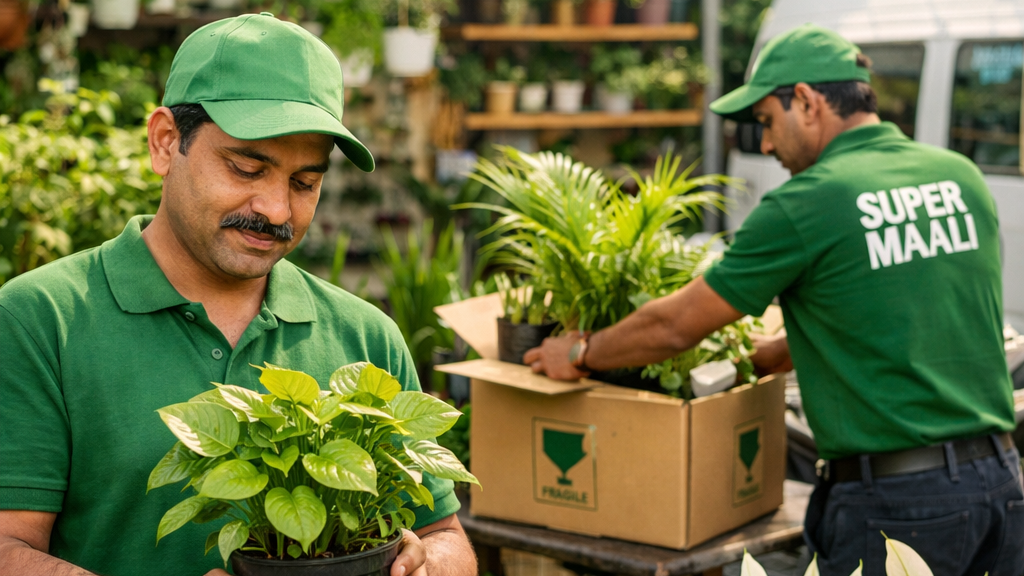
If you’re looking for expert gardening assistance, quality plants, or complete home garden solutions, Super Maali is here to help you create a thriving green space.
Explore More from Super Maali
🌿 Home Page: https://supermaali.com/
📞 Contact Us: https://supermaali.com/contact/