Every year on 7th August, India celebrates National Handloom Day 2026 to honor the rich legacy of our handloom weavers and promote sustainable living. Handloom products are not only beautiful and timeless but also environmentally friendly because they require fewer resources and support traditional craftsmanship.
At Super Maali, we believe that sustainability goes beyond gardening. It is about making conscious choices that benefit both our homes and the environment. By combining eco-friendly home décor with green gardening practices, you can create a healthier, more sustainable lifestyle for your family.
Here are some simple yet effective ways to celebrate National Handloom Day 2026 while making your home greener.
1. Choose Local Handloom Products
One of the easiest ways to support sustainability is by purchasing locally made handloom products. Handwoven cotton bedsheets, curtains, table runners, rugs, and cushion covers are crafted using traditional methods that consume less energy compared to mass-produced textiles.
Buying handloom products also supports Indian artisans, preserves cultural heritage, and reduces your carbon footprint. Natural fibers like cotton, linen, and jute are biodegradable and last longer than synthetic materials, making them an excellent choice for eco-conscious homes.
Replacing synthetic décor with handloom products is a small change that creates a significant positive impact.
2. Bring Nature Indoors with Indoor Plants
No sustainable home is complete without greenery. Indoor plants improve air quality, reduce stress, and add natural beauty to every corner of your house.
Some of the best indoor plants include:
- Snake Plant
- Money Plant
- Peace Lily
- Spider Plant
- Areca Palm
- ZZ Plant
These plants require minimal maintenance while helping remove indoor air pollutants. Pair them with handcrafted planters or woven baskets to create a beautiful eco-friendly décor setup.
Adding even a few indoor plants can transform your living space into a refreshing green sanctuary.
3. Replace Plastic with Natural Alternatives
Plastic contributes heavily to environmental pollution. Instead of plastic storage baskets, mats, or decorative items, choose products made from natural materials such as:
- Jute
- Bamboo
- Cane
- Cotton
- Coconut fiber
Similarly, avoid plastic plant pots whenever possible. Terracotta, ceramic, cement, wooden, and recycled metal planters are durable, attractive, and environmentally friendly.
Choosing natural materials not only enhances your home’s aesthetics but also reduces plastic waste.
4. Use Reusable Cloth Bags Every Day
Reusable cloth bags are one of the simplest sustainable habits you can adopt. Whether you’re grocery shopping or visiting a local nursery, carrying a cotton or jute bag reduces the demand for single-use plastic bags.
Handloom shopping bags are durable, washable, and stylish. Keep a few folded bags in your car or backpack so you’re always prepared.
Small daily habits like these collectively make a huge environmental difference.
5. Start Composting Kitchen Waste
Your kitchen generates valuable organic waste every day. Vegetable peels, fruit scraps, tea leaves, and coffee grounds can all be converted into nutrient-rich compost instead of ending up in landfills.
Composting helps:
- Reduce household waste
- Improve soil fertility
- Minimize methane emissions
- Produce free organic fertilizer
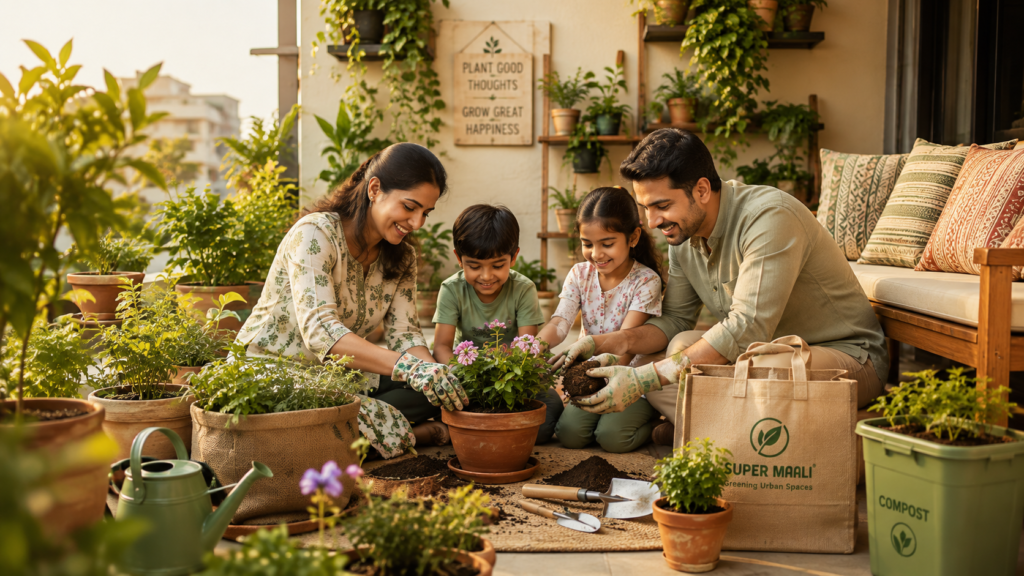
At Super Maali, we encourage every gardening enthusiast to start home composting. The compost you create can nourish your balcony garden, kitchen garden, or ornamental plants naturally without relying on chemical fertilizers.
6. Grow Your Own Herbs at Home
Fresh herbs are among the easiest plants to grow. They require little space and provide fresh ingredients throughout the year.
Start with:
- Tulsi
- Mint
- Coriander
- Curry Leaves
- Basil
- Lemongrass
Growing herbs reduces packaging waste, cuts transportation emissions, and ensures chemical-free produce for your family.
Even a sunny windowsill or small balcony can become your personal herb garden.
7. Save Water While Gardening
Water conservation is an important part of sustainable gardening.
Simple ways to reduce water usage include:
- Water plants early in the morning.
- Collect rainwater whenever possible.
- Use mulch to retain soil moisture.
- Choose drought-tolerant plants.
- Avoid overwatering.
These practices not only conserve water but also improve plant health and reduce maintenance.
8. Decorate with Sustainable Planters
Planters can be both functional and eco-friendly. Instead of buying plastic containers, consider using:
- Terracotta pots
- Cement planters
- Bamboo baskets
- Wooden crates
- Recycled containers
Creative upcycling is another excellent option. Old buckets, metal tins, ceramic bowls, and wooden boxes can all be converted into beautiful planters.
This reduces waste while adding unique character to your home garden.
9. Create a Green Balcony or Terrace Garden
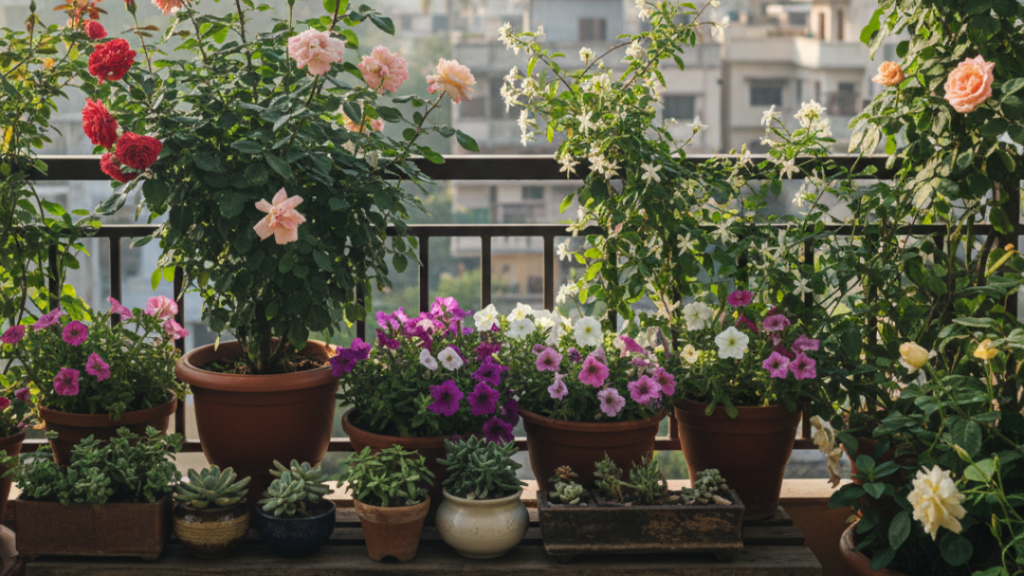
You don’t need a large backyard to contribute to the environment. A small balcony or terrace can become a thriving green space.
Grow flowering plants, vegetables, herbs, and ornamental plants together to improve biodiversity. Add vertical gardens or hanging planters if space is limited.
A green balcony not only improves air quality but also creates a peaceful place to relax after a busy day.
Celebrate Sustainability with Super Maali
As we celebrate National Handloom Day 2026, let us remember that sustainability begins with everyday choices. Supporting local artisans, choosing natural materials, growing plants, composting kitchen waste, and reducing plastic usage are simple steps that create lasting environmental benefits.
At Super Maali, we are committed to helping families build greener homes through expert gardening services, terrace garden solutions, kitchen garden setups, garden maintenance, and premium organic gardening products.
This National Handloom Day 2026, take the first step toward a healthier lifestyle by combining traditional craftsmanship with modern sustainable gardening. Together, we can create homes that are not only beautiful but also kinder to our planet.
Whether it’s choosing handloom products, planting more greenery, or embracing eco-friendly habits, every small action matters. Let National Handloom Day 2026 inspire you to build a home that reflects India’s rich traditions while protecting nature for future generations. Start your sustainable journey today with Super Maali, and make National Handloom Day 2026 a celebration of both heritage and a greener tomorrow.