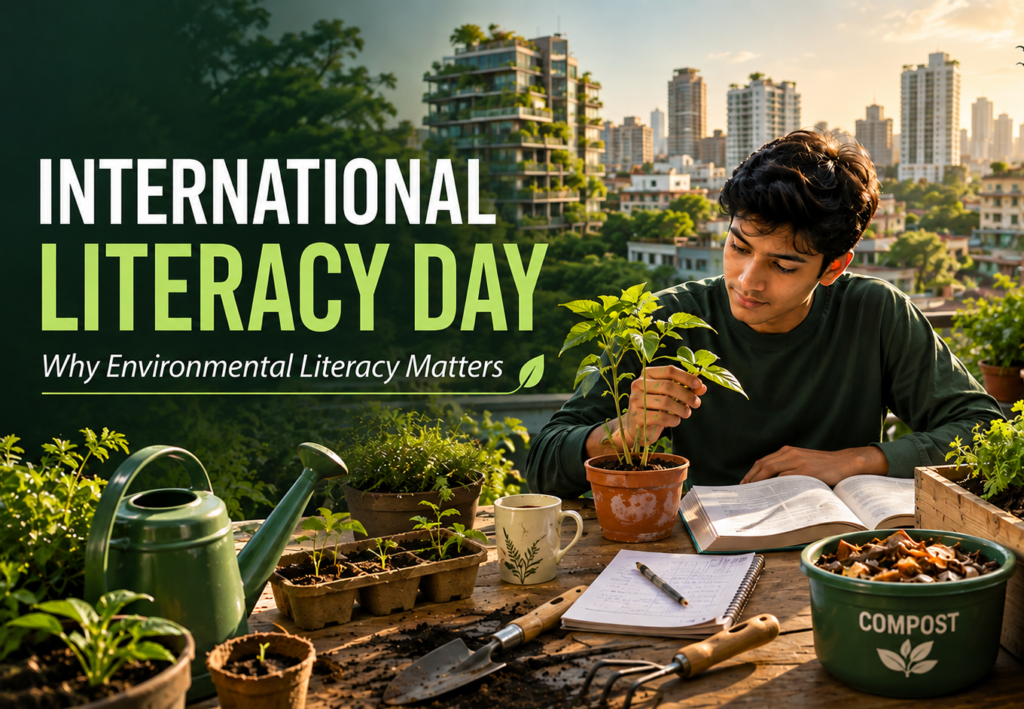
Every year, International Literacy Day reminds us that education is one of the most powerful tools for creating a better future. Traditionally, literacy has been understood as the ability to read and write. But in today’s world, knowledge goes far beyond books and classrooms. Understanding our environment, natural resources, plants, soil, water, and sustainable living has become equally important.
This broader understanding is known as environmental literacy. It helps people recognize environmental challenges and make informed choices that protect nature. From growing plants at home to reducing waste and conserving water, small actions can create meaningful change.
What Is Environmental Literacy?
Environmental literacy means having the knowledge, awareness, and skills required to understand our relationship with the natural world. It helps us recognize how everyday activities affect soil, air, water, plants, animals, and ecosystems.
Environmental literacy can include learning about:
- Plant growth and basic gardening
- Soil health and composting
- Water conservation
- Waste management
- Biodiversity and pollinators
- Sustainable food production
- Climate change
- Native and climate-friendly plants
- Responsible use of natural resources
The best part is that environmental learning does not always require a formal classroom. Your balcony, terrace, backyard, or kitchen garden can become a practical learning space.
Why Environmental Literacy Is Important in Urban Areas
Cities are expanding rapidly, and concrete structures are replacing many natural spaces. As urbanization increases, people can become disconnected from nature.
Many of us enjoy eating fresh vegetables and fruits, but we may not think about the soil, sunlight, water, pollinators, and farmers involved in producing them. Similarly, we may keep plants at home without understanding their basic requirements.
This is where environmental literacy becomes valuable.
A home garden can help people understand how plants respond to sunlight, water, nutrients, temperature, and seasonal changes. It can also introduce families to composting, biodiversity, and responsible resource consumption.
On International Literacy Day, this is an important reminder: learning about nature can be just as practical and valuable as learning from books.
Gardening Can Become a Green Classroom
Gardening is one of the simplest ways to develop environmental awareness.
When you plant a seed, you learn patience. When you water it regularly, you learn responsibility. When you see a new leaf emerge, you begin to understand the natural process of growth.
A garden can teach several important lessons.
1. Understanding Soil
Healthy plants need healthy soil. Learning about compost, organic matter, drainage, and nutrients helps us understand why soil is one of our most valuable natural resources.
2. Conserving Water
Gardening teaches us that more water does not necessarily mean healthier plants. Different plants have different watering requirements. Learning proper watering techniques can help reduce unnecessary water consumption.
3. Discovering Biodiversity
A garden is home to more than plants. Flowers can attract butterflies, bees, and other beneficial insects. Different plant varieties can create a small ecosystem and demonstrate the importance of biodiversity.
4. Learning About Seasons
Plants respond differently to summer, monsoon, winter, and spring. Growing seasonal plants helps us understand how temperature, rainfall, and sunlight influence nature.
5. Managing Organic Waste
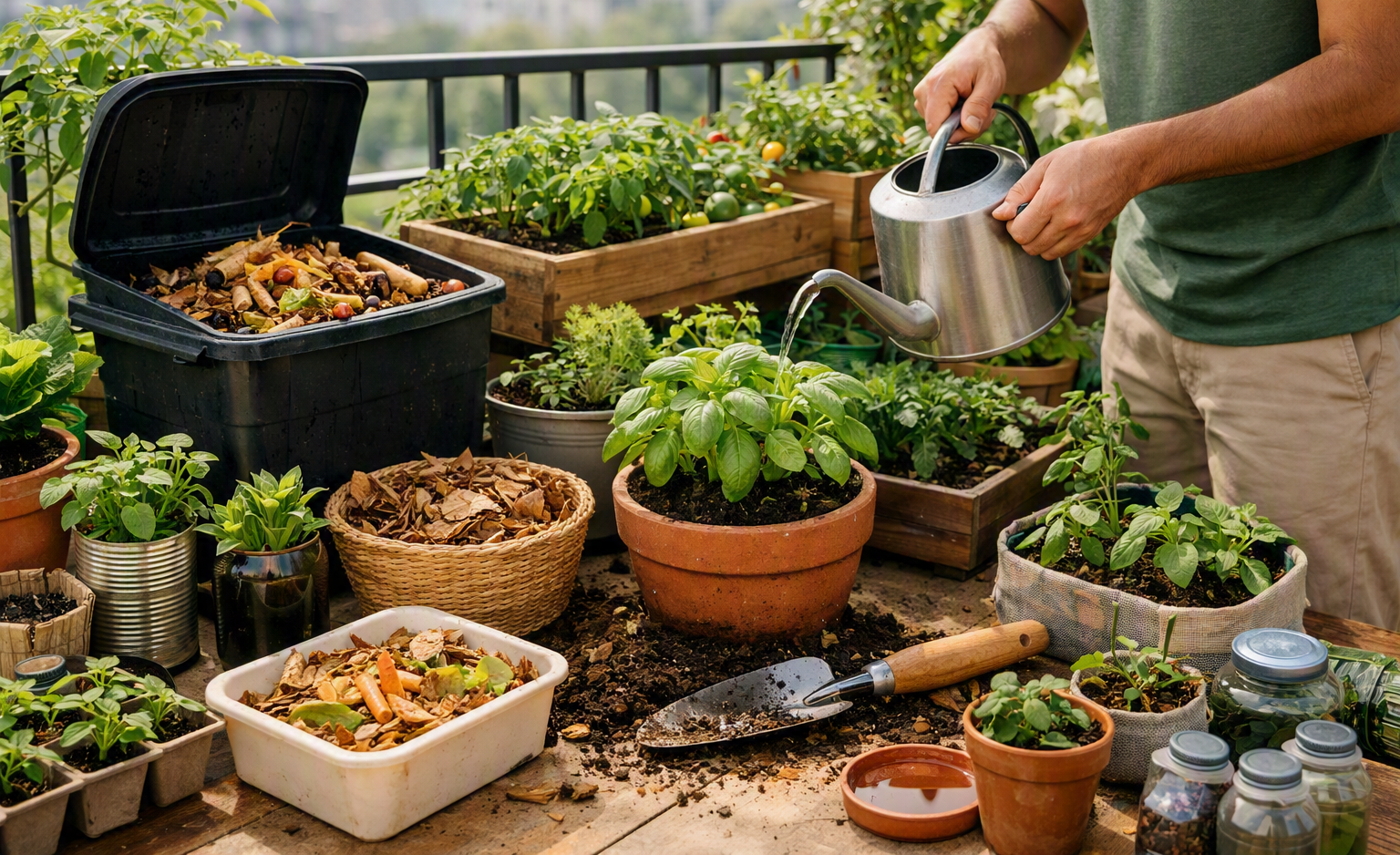
Dry leaves, vegetable peels, and other suitable organic waste can be converted into compost. This teaches us that waste can sometimes become a useful resource instead of ending up in a landfill.
Environmental Learning Begins at Home
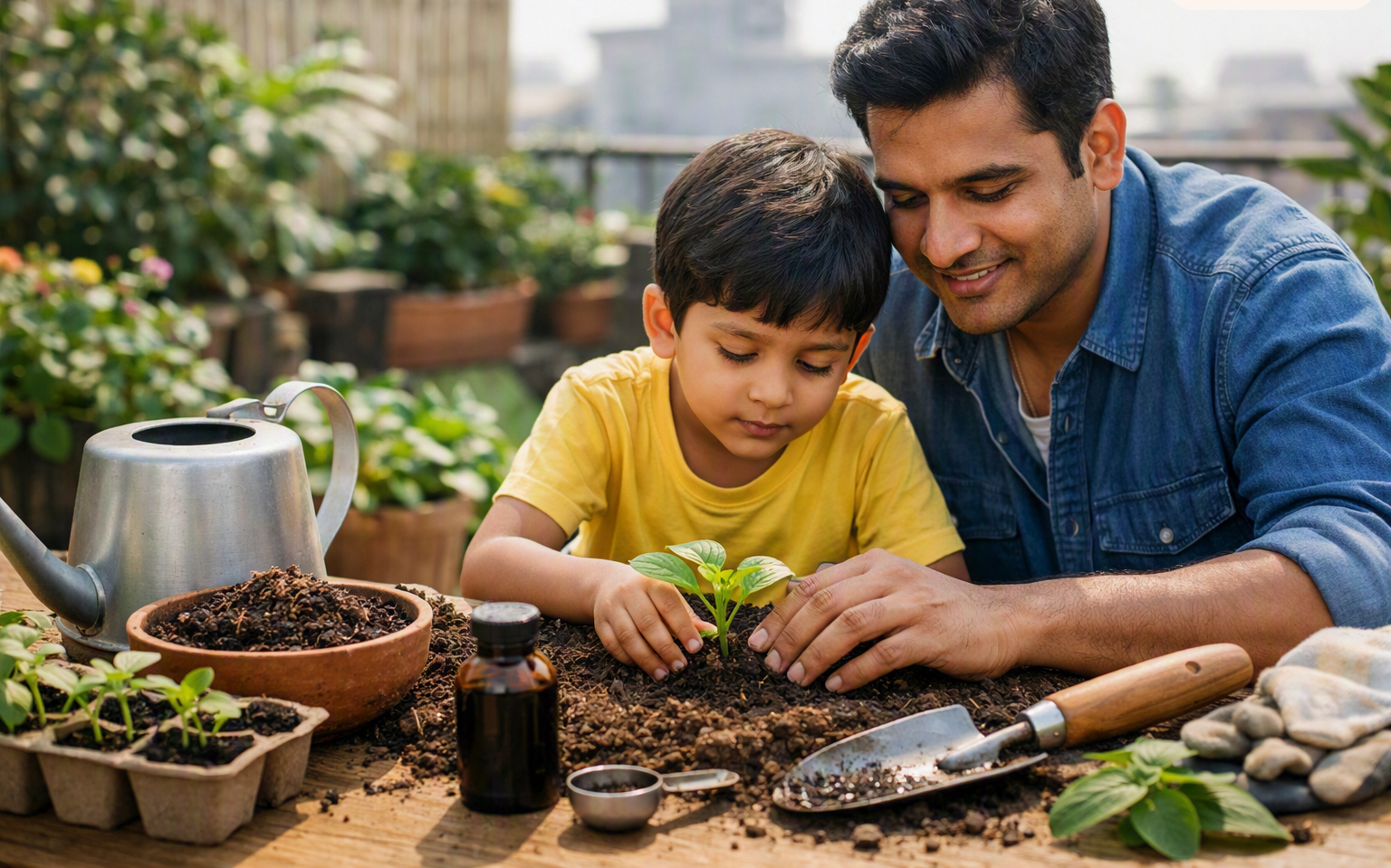
Environmental education does not have to begin with a large project. It can start with one plant.
Families can introduce simple sustainable habits into everyday life:
- Grow herbs or vegetables at home.
- Reuse suitable containers as planters.
- Compost organic kitchen waste.
- Avoid wasting water while gardening.
- Choose plants suitable for your local climate.
- Encourage pollinators by growing flowering plants.
- Reduce unnecessary plastic use.
- Teach children how to care for plants.
- Reuse dry leaves and garden waste where appropriate.
- Spend time observing nature instead of only reading about it.
These small activities can gradually turn a household into a space for environmental learning.
Teaching Children Through Plants
Children are naturally curious, and gardening provides an excellent opportunity for hands-on education.
Instead of only reading about how plants grow, children can actually plant seeds and observe them. They can learn how roots develop, why leaves need sunlight, how flowers attract pollinators, and how fruits and vegetables are produced.
Gardening can also teach patience and responsibility. A child who regularly cares for a plant learns that growth takes time and consistent effort.
Schools can also create small gardens, composting projects, herbal gardens, or plant observation activities. Such initiatives can make environmental education more interactive and memorable.
From Literacy to Green Literacy
International Literacy Day encourages us to think about how education can prepare people for the challenges of the future.
Reading and writing remain essential, but modern society also needs people who understand climate change, pollution, water conservation, biodiversity, waste reduction, and sustainable living.
This is why green literacy matters.
Being environmentally literate does not mean becoming an environmental scientist. It simply means developing enough understanding to make better everyday decisions.
Which plants are suitable for your climate?
How much water does your garden actually need?
Can household organic waste be composted?
How can you create more greenery in a concrete city?
When people begin asking these questions, awareness turns into action.
Creating Greener Urban Spaces
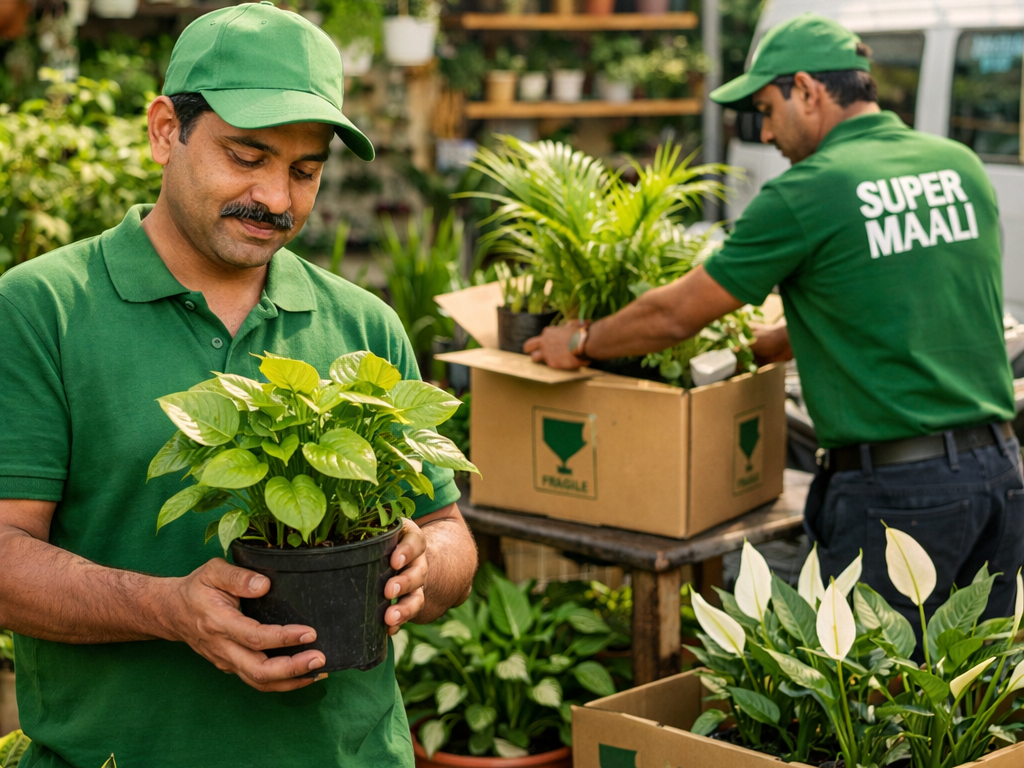
At Super Maali, we believe that every urban space has the potential to become greener. A balcony, terrace, backyard, office, or rooftop can be transformed into a healthier and more welcoming green space with the right planning and care.
Urban gardening is not simply about adding plants for decoration. It is about creating a connection with nature and encouraging sustainable habits.
Super Maali helps homeowners and organizations create and maintain green spaces through professional gardening solutions, including garden maintenance, rooftop gardening, balcony gardening, kitchen gardening, landscaping, and other plant-care services.
International Literacy Day can therefore be an opportunity to learn something practical: how to understand, grow, and care for the living environment around us.
Make This Literacy Day a Green Learning Day
This International Literacy Day, let us expand the meaning of literacy beyond reading and writing.
Let us learn to read the signs of nature—the changing seasons, the needs of plants, the health of our soil, the importance of water, and the role of biodiversity.
Start with one plant. Learn what it needs. Care for it regularly. Observe how it grows.
International Literacy Day can inspire us to remember that knowledge becomes truly meaningful when it leads to responsible action.
A greener future does not begin only with large policies or ambitious projects. It also begins with informed individuals making better choices every day.
Whether you grow a few herbs on your balcony or maintain a complete rooftop garden, every green space can become a place of learning.
And when knowledge grows alongside plants, we don’t just create greener homes—we create more environmentally aware communities.
Grow, Learn & Go Green with Super Maali
This International Literacy Day, take a step towards a greener lifestyle with Super Maali.
From garden maintenance and balcony gardens to rooftop gardens, kitchen gardens, landscaping, and plant-care solutions, Super Maali can help you create beautiful and sustainable green spaces.
🏡 Super Maali Home Page: Visit Super Maali
📞 Contact Super Maali: Get in Touch With Our Team
Learn. Grow. Care. Green your space with Super Maali.