
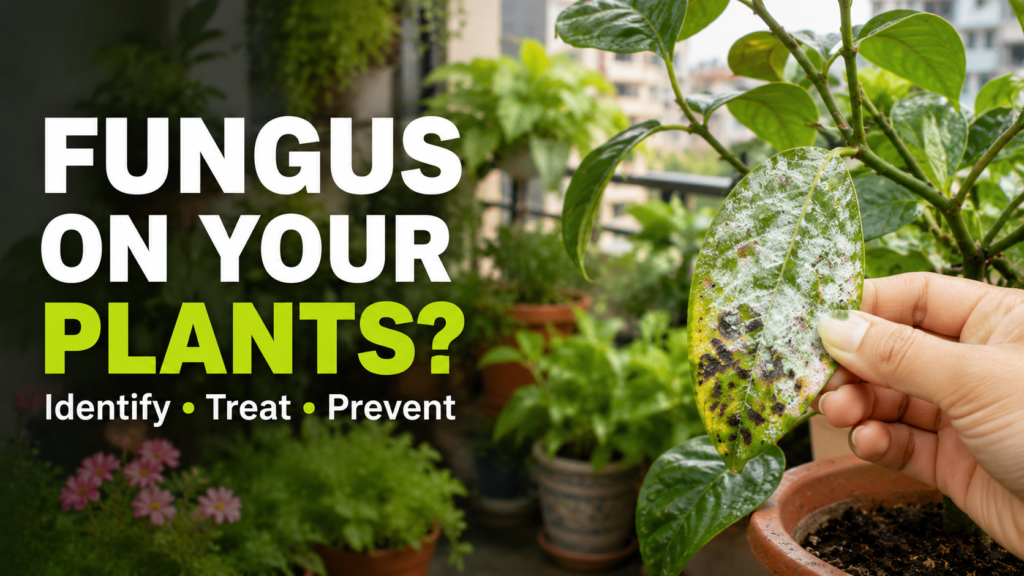
Seeing white powder, black spots, or unusual patches on your leaves? Fungus on Your Plants is a common problem for home gardeners, especially during humid weather, monsoons, and periods of poor air circulation. While fungal infections can look alarming, early identification and the right care can help your plants recover and stay healthy.
Fungal diseases can affect indoor plants, balcony gardens, terrace gardens, flowering plants, vegetables, and even lawns. Understanding what causes them and how to manage them is an important part of maintaining a beautiful and healthy garden.
What Causes Fungus on Plants?
Fungi thrive in warm, humid, and poorly ventilated conditions. Excess moisture around leaves and roots creates an ideal environment for fungal growth. Overwatering is one of the most common reasons plants develop fungal problems.
Other factors include:
- Poor air circulation around plants
- Water remaining on leaves for long periods
- Overcrowded pots and garden beds
- Poorly draining soil
- Excessive humidity
- Infected gardening tools
- Dead leaves and plant debris
- Overuse of nitrogen-rich fertilizers
- Planting too closely together
When these conditions continue, fungal spores can spread quickly from one plant to another.
How to Identify Fungus on Your Plants
Different fungal diseases produce different symptoms. Knowing what to look for can help you take action before the infection becomes severe.
1. White Powder on Leaves
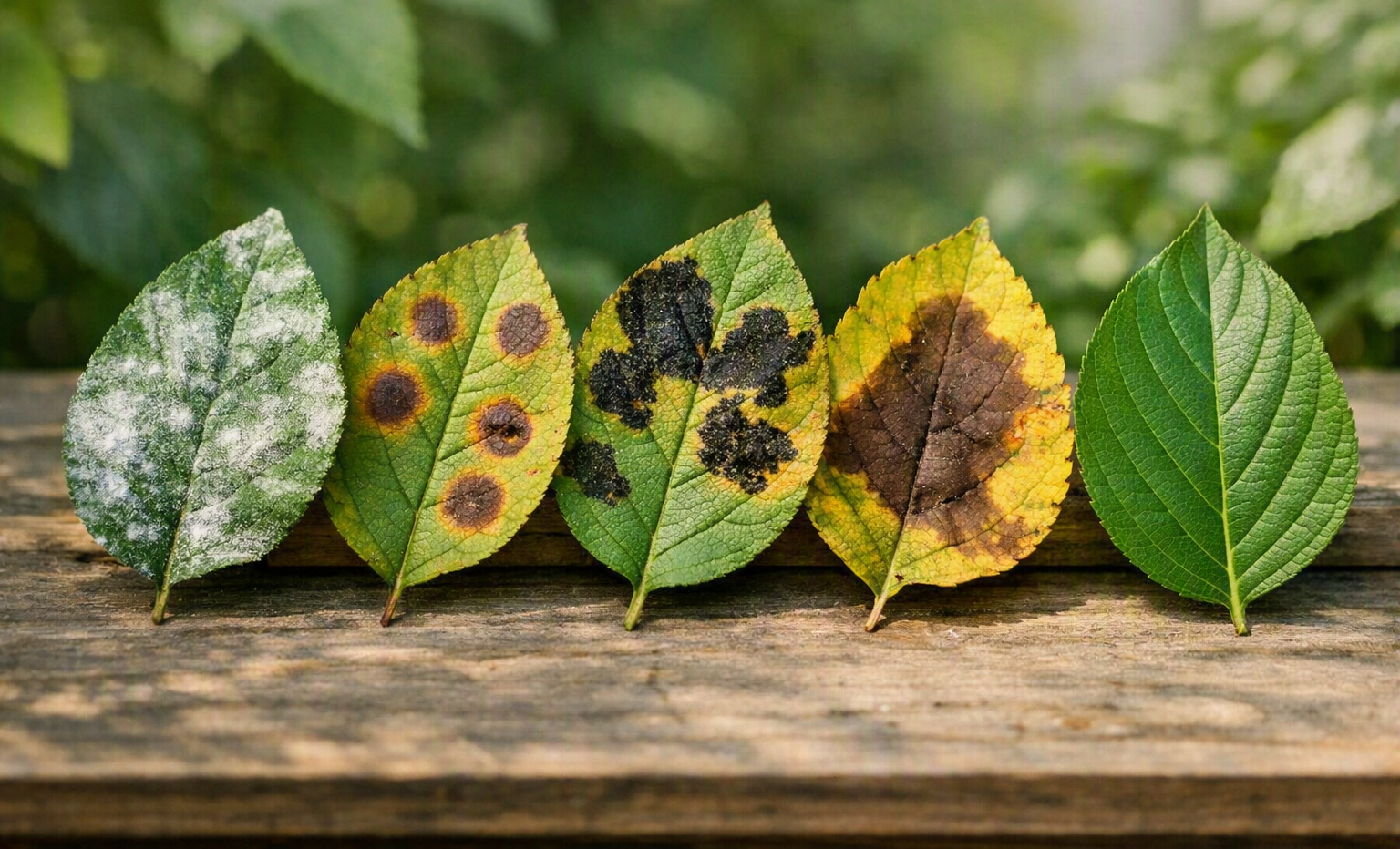
Powdery mildew appears as a white or grey powder-like coating on leaves and stems. It is commonly seen on roses, cucumbers, pumpkins, and ornamental plants.
Unlike some fungal diseases, powdery mildew does not always require continuously wet leaves. High humidity and poor airflow can be enough for it to develop.
2. Brown or Black Spots
Dark spots on leaves may indicate fungal leaf spot diseases. These spots can gradually expand, causing affected leaves to turn yellow and eventually fall.
3. Yellowing Leaves
Yellow leaves do not always mean a fungal infection. However, when yellowing occurs alongside soft stems, root problems, or unusual spots, it may indicate a fungal issue.
4. Root Rot
Root rot is particularly common in container plants. Excess water around the roots reduces oxygen availability and creates conditions where harmful fungi can multiply.
Affected plants may appear wilted even though the soil is wet. Roots may become brown, black, soft, or mushy.
5. Grey or Fuzzy Growth
Grey, fuzzy growth on leaves, stems, flowers, or decaying plant material may indicate fungal growth. Removing affected material quickly can help reduce further spread.
How to Treat Fungus on Your Plants
Once you notice symptoms, avoid waiting for the problem to disappear on its own. Early intervention is usually much easier than trying to save a severely infected plant.
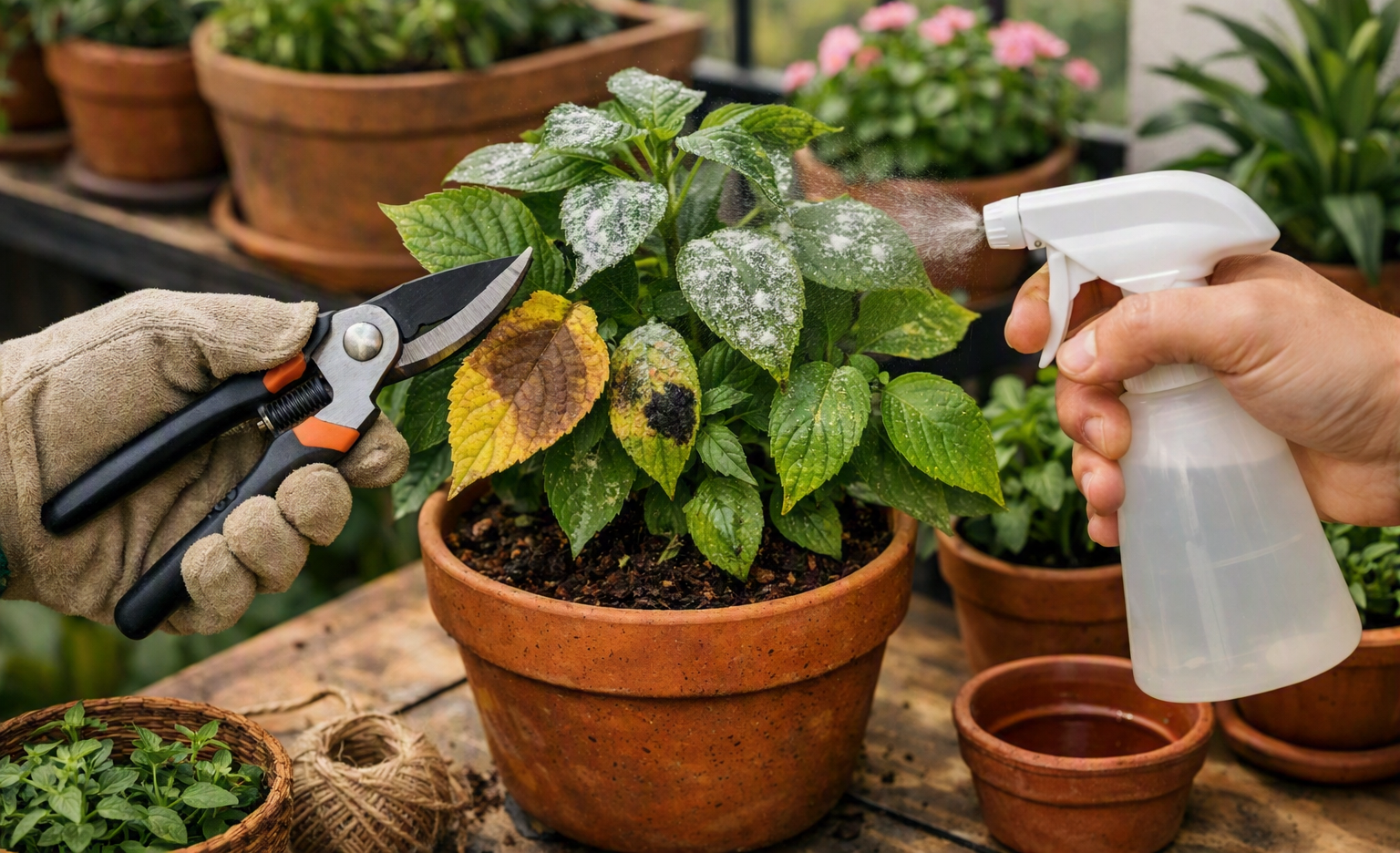
Start by removing badly infected leaves, flowers, or stems using clean pruning tools. Dispose of infected plant material rather than adding it to your regular compost pile unless your composting system reaches temperatures capable of destroying pathogens.
Next, improve ventilation around the plant. If several pots are packed together, create some space between them. Better airflow helps leaves dry faster and reduces humidity around the foliage.
Review your watering routine as well. Water the soil rather than repeatedly wetting the leaves, and allow the upper layer of soil to dry appropriately between watering sessions according to the plant’s needs.
For persistent infections, a suitable fungicide may be required. Always choose a product appropriate for the specific plant and disease, and follow the label instructions carefully.
Natural Ways to Manage Fungal Problems
Gardeners often prefer simple, natural approaches for mild fungal problems. Depending on the plant and severity of the infection, some commonly used approaches include neem-based preparations, improved ventilation, removal of infected foliage, and careful watering.
However, natural remedies are not guaranteed to eliminate every fungal disease. If the infection is spreading rapidly, professional diagnosis and treatment may be more effective.
Avoid randomly mixing multiple household ingredients or applying strong solutions to leaves. Incorrect concentrations can cause leaf burn and create additional stress for the plant.
How to Prevent Fungus in Your Garden
Prevention is one of the most effective ways to keep Fungus on Your Plants from becoming a recurring problem.
Water Correctly
Avoid watering plants simply because it is part of your daily routine. Check the soil first and understand the moisture requirements of each plant.
Ensure Proper Drainage
Every container should have adequate drainage holes. Waterlogged soil can quickly create root problems.
Maintain Air Circulation
Do not overcrowd your balcony, terrace, or indoor garden. Adequate spacing allows air to move freely around foliage.
Keep Leaves Clean
Remove fallen leaves, dead flowers, and other plant debris regularly. Decaying organic material can provide a suitable environment for fungal pathogens.
Sterilize Gardening Tools
If you prune an infected plant, clean your scissors or pruning shears before using them on another plant. This simple habit can reduce the possibility of spreading disease.
Choose the Right Location
Plants that require bright light should receive appropriate sunlight. Insufficient light combined with excessive moisture can increase the risk of fungal problems.
Why Monsoon Needs Extra Plant Care
In India, monsoon conditions can make Fungus on Your Plants particularly challenging. Frequent rain, high humidity, cloudy weather, and reduced sunlight can keep leaves and soil wet for longer periods.
During this season, gardeners should pay extra attention to drainage and airflow. Avoid unnecessary watering when rainfall has already provided sufficient moisture.
Terrace and balcony gardeners should also check pots after heavy rain. Blocked drainage holes can cause water to accumulate around roots.
When Should You Call a Gardening Professional?
A small fungal spot may be manageable at home, but professional help can be valuable when the infection keeps returning, spreads across multiple plants, affects a large garden, or causes severe root damage.
Professional gardeners can assess watering practices, soil conditions, drainage, plant spacing, sunlight, and disease symptoms together instead of treating only the visible problem.
If you repeatedly notice Fungus on Your Plants, the underlying gardening conditions may need to be corrected rather than simply applying fungicide every time symptoms appear.
Give Your Plants the Care They Deserve
Healthy plants need more than occasional watering. Regular observation, proper nutrition, pruning, soil management, pest monitoring, and timely disease control all contribute to a thriving garden.
If Fungus on Your Plants has become a recurring issue, don’t ignore the early warning signs. Identify the symptoms, remove infected portions, improve growing conditions, and seek professional assistance when necessary.
For expert garden maintenance, plant care, balcony gardening, terrace gardening, and customized garden solutions, you can explore Super Maali’s gardening services and get professional support for keeping your green spaces healthy.
Make your garden healthier, greener, and easier to maintain with Super Maali.
👉 Visit Super Maali Home Page: Super Maali
👉 Need professional plant care? Contact Super Maali