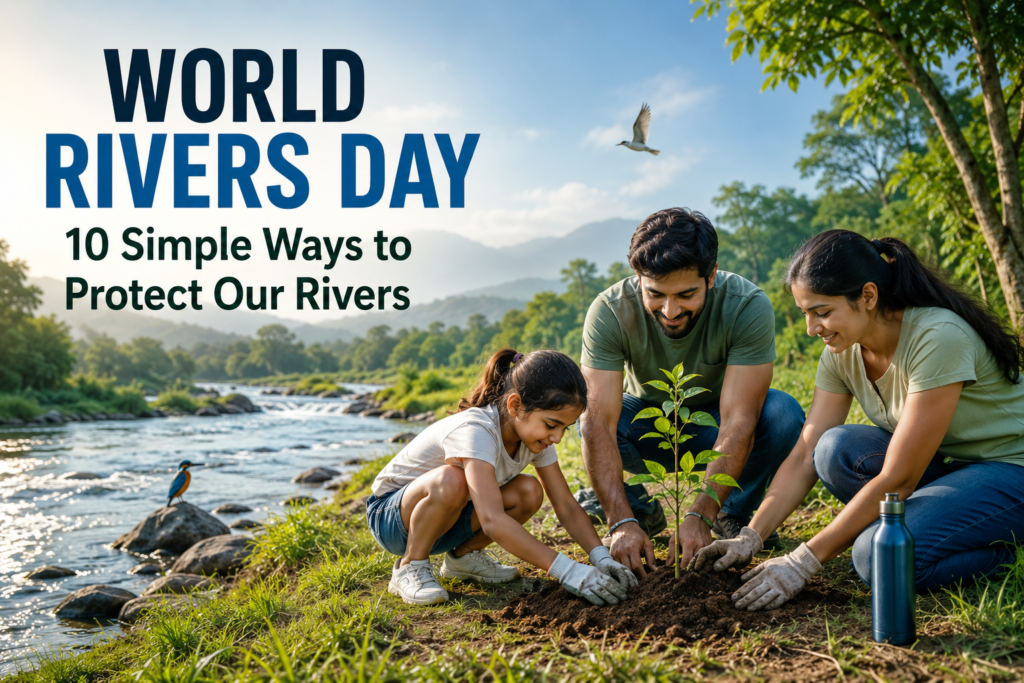
Rivers are among the most valuable natural resources on our planet. They provide freshwater, support agriculture, recharge ecosystems, and create habitats for countless species. From small streams flowing through villages to mighty rivers passing through major cities, waterways play an essential role in sustaining life.
Every year, World Rivers Day reminds us of the importance of protecting and preserving these lifelines. Rivers face increasing pressure from pollution, plastic waste, excessive water use, deforestation, untreated sewage, and rapid urbanisation. While governments and organisations have an important role to play, individuals and communities can also make meaningful contributions.
The good news is that protecting rivers does not always require major lifestyle changes. Small, consistent actions at home, in our gardens, and in our communities can collectively make a significant difference.
Here are 10 simple ways to protect our rivers and contribute to a cleaner and greener planet.
1. Reduce Plastic Waste
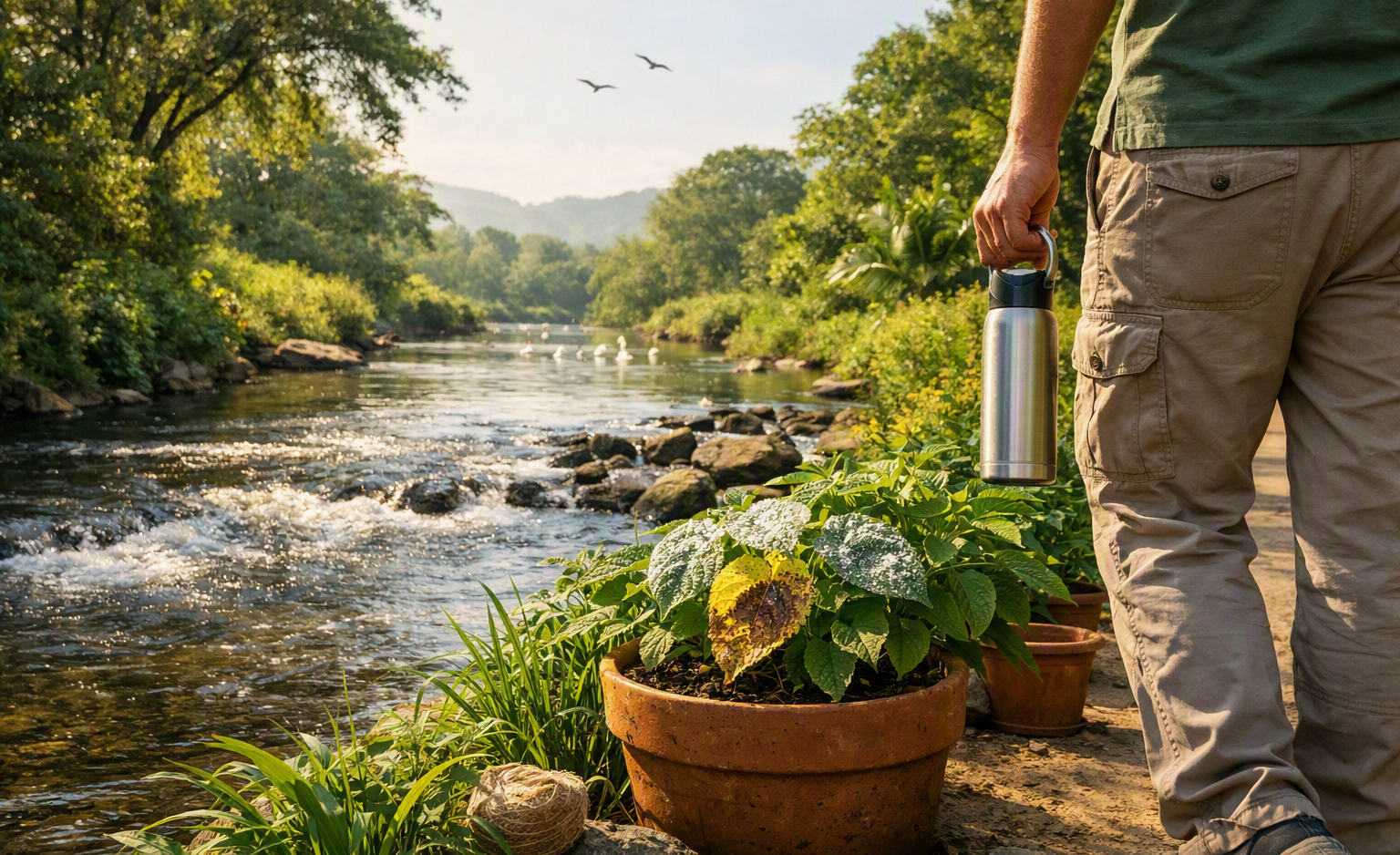
Plastic pollution is one of the biggest threats to rivers and aquatic ecosystems. Plastic bottles, bags, wrappers, and other single-use items often find their way into drains and eventually reach rivers.
Make a habit of carrying reusable shopping bags, water bottles, and food containers. Avoid unnecessary single-use plastics and dispose of waste responsibly.
Never throw plastic waste into drains, ponds, streams, or other water bodies. Reducing plastic consumption at the household level is a simple but powerful step toward cleaner waterways.
2. Keep Household Waste Away from Drains
Many people do not realise that whatever goes into a household drain can eventually enter a larger water system. Paint, oils, chemicals, detergents, and other harmful substances can contaminate waterways.
Avoid pouring cooking oil, paint, cleaning chemicals, or other hazardous liquids down sinks and outdoor drains. Dispose of such materials through appropriate waste-management systems.
Being careful about what enters our drainage systems is an easy way to protect our rivers from unnecessary chemical contamination.
3. Use Water Responsibly
Freshwater is a limited resource, so using it wisely is essential. Wasting water at home increases unnecessary demand on freshwater sources and puts additional pressure on natural water systems.
Simple habits can make a difference. Turn off taps while brushing your teeth, repair leaking taps and pipes, avoid unnecessarily long showers, and use water carefully while washing vehicles or outdoor areas.
In gardens, water plants according to their actual requirements rather than following a rigid watering schedule.
On World Rivers Day, consider making water conservation part of your daily routine rather than treating it as a once-a-year activity.
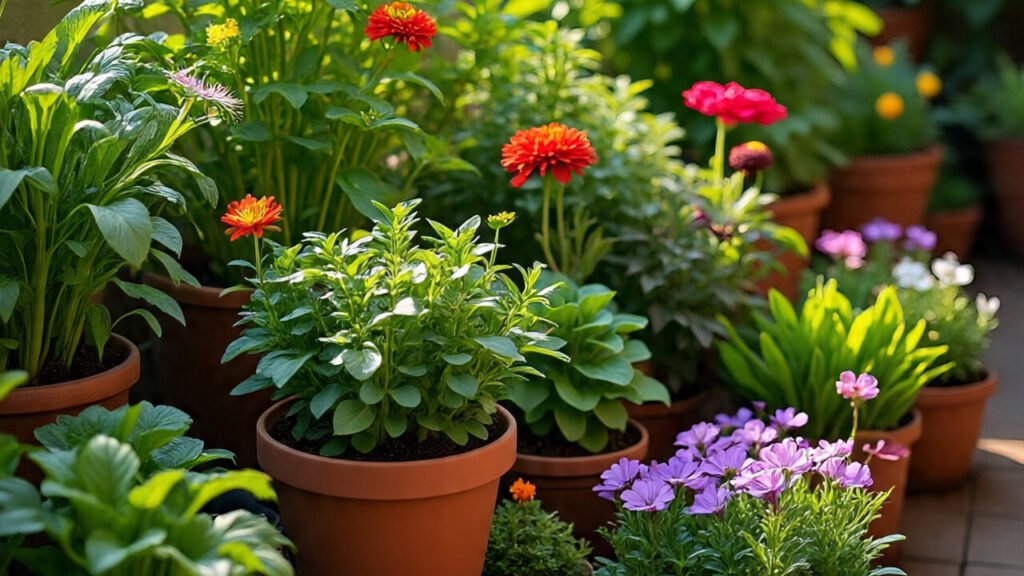
4. Practise Sustainable Gardening
Gardening and river conservation may seem unrelated, but the two are closely connected through water, soil, and runoff.
Choose plants that are suitable for your local climate and soil conditions. Native and drought-tolerant plants can often require less water once established.
Using mulch can help retain moisture in the soil, while efficient irrigation methods can reduce unnecessary water loss.
A sustainable garden can conserve water, support biodiversity, improve soil health, and encourage people to become more conscious of natural resources.
This World Rivers Day, consider making your garden more water-efficient as one practical environmental action.
5. Never Dump Waste Near Water Bodies
Rivers, lakes, ponds, and streams are sometimes treated as convenient dumping grounds for household or construction waste. This can damage aquatic ecosystems and reduce water quality.
Community members should avoid dumping garbage near water bodies and should encourage others to do the same. If you notice waste accumulation around a local waterway, consider participating in a responsible clean-up drive.
Clean surroundings around rivers are not only visually better—they are essential for maintaining healthy ecosystems.
6. Support Rainwater Harvesting
Rainwater harvesting is a practical way to conserve water and reduce pressure on freshwater resources.
Homes, apartments, schools, offices, and commercial buildings can explore suitable rainwater harvesting systems based on their location and infrastructure. Collected rainwater may be used for appropriate non-potable purposes or groundwater recharge, depending on the system design and local regulations.
Gardens can also be designed to absorb rainwater and reduce unnecessary runoff.
On World Rivers Day, learning about rainwater harvesting can be an excellent starting point for creating a more water-conscious home.
7. Plant More Trees and Native Plants
Trees and vegetation play an important role in maintaining healthy watersheds. Their roots help hold soil together, reduce erosion, and improve water infiltration.
Deforestation near riverbanks can increase soil erosion and sediment entering rivers. Planting suitable native trees and plants can help strengthen local ecosystems.
Even if you do not live near a river, planting trees and maintaining green spaces contributes to healthier soil and better water management.
Urban greenery, balcony gardens, terrace gardens, and community gardens can all encourage people to become more conscious of natural resources.
8. Participate in Local River and Clean-Up Drives
Environmental conservation becomes more effective when communities work together.
Look for local initiatives involving river cleaning, tree plantation, plastic collection, environmental awareness, water conservation, or restoration of local lakes and ponds.
Schools, resident welfare associations, offices, and community groups can organise educational campaigns and practical activities to encourage responsible environmental behaviour.
Even a small group of people can inspire others to change their habits.
The message of World Rivers Day becomes more meaningful when awareness leads to action within our own communities.
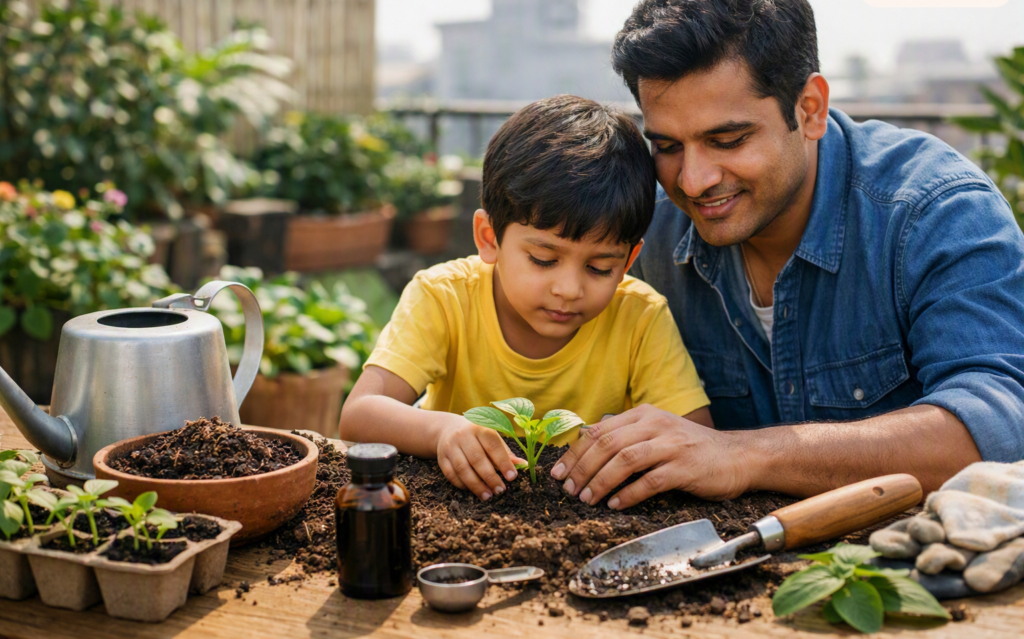
9. Educate Children and Communities
Environmental awareness begins with education. Children who understand the importance of rivers are more likely to develop responsible habits as they grow.
Parents and teachers can explain how rivers support drinking water, farming, biodiversity, industries, and communities. Simple activities such as nature walks, water-saving challenges, plantation drives, and waste-segregation activities can make environmental education engaging.
Social media can also be used to spread useful information about water conservation and responsible waste management.
When knowledge becomes part of everyday behaviour, communities become stronger environmental stewards.
10. Choose a More Sustainable Lifestyle
Our everyday choices have an indirect impact on rivers. The products we buy, the amount of waste we generate, and the resources we consume are all connected to environmental health.
Choose durable products over disposable ones, reduce unnecessary consumption, segregate household waste, and support environmentally responsible practices.
At home, think about how your lifestyle affects water, soil, plants, and wildlife. A sustainable lifestyle does not require perfection. It requires awareness and a willingness to make better choices wherever possible.
Why We Should Care About Our Rivers
Rivers are not simply channels carrying water. They are part of interconnected ecosystems involving forests, wetlands, groundwater, agricultural land, wildlife, and human settlements.
When rivers become polluted or their natural ecosystems are damaged, the effects can spread throughout the surrounding environment. Water quality can decline, biodiversity can suffer, and communities that depend on rivers can face serious challenges.
Climate change, population growth, and rapid urbanisation make responsible water management increasingly important.
World Rivers Day gives us an opportunity to pause and think about how our everyday choices affect water resources. Saving water, reducing plastic, managing waste responsibly, planting suitable vegetation, and supporting sustainable practices can all contribute to healthier ecosystems.
Make Your Garden a Part of a Greener Future
Environmental responsibility can start right at home. A well-planned garden can become more than a beautiful space—it can support biodiversity, improve soil health, conserve water, and encourage sustainable living.
At Super Maali, we help homeowners create and maintain greener urban spaces through professional gardening solutions. Our services include balcony garden setup, terrace gardening, kitchen gardens, rooftop gardens, and regular garden maintenance.
If you want to transform your home into a healthier and greener space, Super Maali can help you choose suitable plants, improve your garden, and maintain it with practical gardening solutions.
This World Rivers Day, take a small step toward a greener lifestyle. Save water, reduce waste, grow more plants, and encourage your family and community to care for our natural resources.
Because healthy rivers depend on responsible choices made by all of us.
Explore Super Maali
Discover our gardening and garden maintenance services and find the right solution for your home.
Visit the Super Maali Home Page to explore our services, or get in touch through the Super Maali Contact Page to discuss your gardening requirements.
World Rivers Day is a reminder that every drop matters, every green space counts, and every responsible action can contribute to a healthier planet.